Sump pump quits during a spring storm
We drop in a temporary pump, extract the standing water, and dry the space. Then we check the sump pump check valve and float switch so the replacement pump you install doesn't fail the same way.
Basement Water Removal in Idaho means getting standing water out of your lower level, drying the structure, and stopping the source before mold sets in. We run extraction trucks and drying crews across the state, from Treasure Valley subdivisions to mountain-town cabins. If your sump pump quit, a pipe burst, or storm water pushed in through the window well, call (833) 640-1438 and we roll.

Basement Water Removal in Idaho is the process of extracting standing water from a below-grade space, then drying the slab, framing, and air to a verified moisture level so the room doesn't turn into a mold farm. We start with a moisture meter and thermal imaging camera to map how far the water traveled, then pull it with a water extraction unit and wet/dry vacuum. After that come air movers, dehumidifiers, and a final moisture check before we pack up.
Idaho basements flood for predictable reasons. Frozen pipe splits during a January cold snap, sump pump failure after a spring melt, sewage backup when the city main surcharges, and storm water intrusion through window wells in older Boise bench homes. If you need emergency basement water removal Idaho wide, our crews are on call 24/7 with extraction equipment already loaded. We've been doing this since 2015 and we know how Idaho water behaves.
Every job includes the core work: inspection, extraction, drying, and documentation. Add-ons like drywall replacement or plumbing repair are quoted separately, so you always know what you're paying for.
We walk the basement with a moisture meter and thermal imaging camera to map the wet zone and find the source. Takes 15 to 30 minutes and sets the scope for everything that follows.
Truck-mounted and portable water extraction units pull water from the floor and low spots. A 1,000-square-foot basement with 2 inches of water typically extracts in 2 to 4 hours.
Air movers and commercial dehumidifiers get positioned to dry the slab, baseboards, and framing. We check readings every 24 hours until the structure hits dry standard, usually 3 to 5 days.
Saturated cardboard, rugs, and unsalvageable drywall come out. We bag and haul it, so you're not stuck with a dumpster run on top of everything else.
Photos, moisture logs, and a written scope go to your adjuster. Most Idaho carriers accept our format without a second inspection, which speeds up the claim.
You call (833) 640-1438 and describe what you see. We ask about water depth, whether it smells like sewage, and whether the water is still rising. That tells us what equipment to load and whether we need to shut off the water main shutoff valve before we arrive. Most Idaho addresses get a crew on site within 60 to 90 minutes.
We walk the basement with a moisture meter and thermal imaging camera to map the wet zone. If a pipe is still leaking, we close the water main shutoff valve or install a pipe repair clamp. If it's a sump pump failure, we drop in a temporary pump. Source first, extraction second.
Truck-mounted and portable water extraction units pull water from the floor, then a wet/dry vacuum gets the low spots. A 1,000-square-foot basement with 2 inches of water usually takes 2 to 4 hours to extract. We bag and remove any ruined cardboard, rugs, or debris as we go.
Air movers get positioned along walls and under any lifted flooring underlayment. Commercial dehumidifiers pull moisture out of the air. We check readings with a moisture meter every 24 hours. Most basements hit dry standard in 3 to 5 days depending on material and airflow.
We confirm dry readings, pull equipment, and give you a written summary with photos and moisture logs. If repairs are needed, like replacing drywall or sealing a crack with waterproof sealant, we tell you what to fix and in what order. No surprise line items.
Purpose-built equipment, used by trained technicians — so the job is done accurately the first time.
Pulls 20 to 60 gallons per minute from a flooded basement floor. The fastest way to get standing water out before it wicks into drywall.
Finds hidden moisture behind walls and under flooring without cutting into the structure. Shows us exactly how far the water traveled.
Reads moisture content in the slab, baseboards, and framing. We log readings daily until the structure hits dry standard.
High-velocity fans that push air along walls and under lifted flooring to speed evaporation. Standard equipment on every drying job.
Pull moisture out of the air so the drying process actually finishes. Residential units can't keep up with a flooded basement.
Threads into wall cavities and drain lines to find the source of a leak without demolition. Saves drywall and saves you money.
Get the low spots and puddles the big extraction unit can't reach. Used for final passes before drying equipment goes in.
A 1948 home on the Boise bench had a copper pipe split in an exterior wall during a January cold snap. By morning, 2 inches of water covered 800 square feet of the basement, soaking carpet and the bottom 12 inches of drywall.
We shut off the water main shutoff valve, extracted 180 gallons, removed the ruined carpet, and ran air movers and dehumidifiers for 4 days. Final moisture meter readings were dry on the slab and studs. Total job: $1,850.
A Rexburg home's sump pump quit overnight during the April melt. Three inches of water covered a 1,200-square-foot finished basement, including a carpeted family room and a storage area with cardboard boxes.
We dropped in a temporary pump, extracted 320 gallons, removed saturated cardboard and a section of ruined drywall, and dried the space in 5 days. The failed sump pump check valve was replaced. Total job: $2,400.
A city main surcharge pushed 1 inch of sewage into a Coeur d'Alene rental basement. The property manager called at 6 a.m. and needed the unit habitable within a week for incoming tenants.
We treated it as Category 3: extracted, removed 40 square feet of contaminated drywall and the affected flooring underlayment, disinfected with EPA-registered products, and dried in 4 days. Documentation went to the carrier same day. Total job: $3,100.
Most Idaho basement water calls fall into a handful of patterns. Here's what we see and how we handle each one.
Ask a pro →We drop in a temporary pump, extract the standing water, and dry the space. Then we check the sump pump check valve and float switch so the replacement pump you install doesn't fail the same way.
We shut off the main, extract, and dry. Then we tell you which walls need pipe insulation and where to add heat tape so the same pipe doesn't freeze next January.
We extract, remove contaminated materials, and disinfect with EPA-registered products. Full documentation goes to your adjuster, since most Idaho policies treat sewage backup as a covered loss.
We extract, dry the wall cavity with air movers, and check the moisture meter daily. We also flag the grading, window well covers, and waterproof sealant fixes that stop the next storm from getting in.
“Frozen pipe split in our basement wall at 11 p.m. in January. Called the number and a crew was at the house in about 75 minutes. They shut off the main, extracted about 2 inches of water, and had air movers running by 1 a.m. Five days later the moisture meter read dry and they pulled equipment. Insurance covered it with their photos.”
Marcus T.Homeowner, Boise Bench
✓ Verified“Our sump pump died during spring melt and the basement had 3 inches of water. They extracted the same day I called, checked the sump pump check valve, and told me exactly what to replace. Drying took 4 days. Honest pricing, no upsell, and they cleaned up after themselves.”
Angela R.Homeowner, Rexburg
✓ Verified“We manage several rentals and had a sewage backup at one of them. Their crew handled the extraction, removed contaminated drywall, and disinfected everything. Documentation was clean enough that the adjuster approved the claim without a second visit. I've used them three times since.”
Derek M.Property Manager, Coeur d'Alene
✓ VerifiedMost Idaho basement water removal jobs run $500 to $2,500 in 2026, depending on water depth, square footage, and whether sewage is involved. A small utility-room leak might land near $500, while a full 1,200-square-foot flooded basement with 3 inches of water and 4 days of drying can hit $2,500. We quote the scope before we start, so there's no surprise invoice.
We do. ID Water Remover Pros runs 24/7 basement water extraction in Idaho with crews staged across the state. Call (833) 640-1438 any hour and we'll dispatch the nearest truck. Typical on-site arrival is 60 to 90 minutes for most Idaho addresses, and we bring extraction units, air movers, and dehumidifiers on the first trip.
The four most common causes in Idaho are a failed sump pump, a frozen pipe that split during a cold snap, a sewage backup when the city main surcharges, and storm water intrusion through window wells or a cracked foundation. A moisture meter and inspection camera let us pinpoint which one you're dealing with, usually within 20 minutes of arriving.
Most Idaho policies cover sudden and accidental water damage, like a burst pipe or water heater failure, but exclude long-term seepage and most surface flooding. We document everything with photos and moisture logs so your adjuster has what they need. If your policy covers the loss, we can often bill the carrier directly.
We run Basement Water Removal crews across the state, from the Treasure Valley to the Panhandle to eastern Idaho. Whether you're in a Boise bench bungalow or a Rexburg rental, you get the same equipment, the same drying standard, and the same 24/7 dispatch. Call (833) 640-1438 and we'll route the nearest truck.
 Flood Water RemovalWhen a river or irrigation canal tops its banks, flood water carries silt and contaminants into your basement. We extract, sanitize, and dry the space so it's safe to use again. Pairs with basement water removal when the source is surface flooding rather than a plumbing failure.Explore →
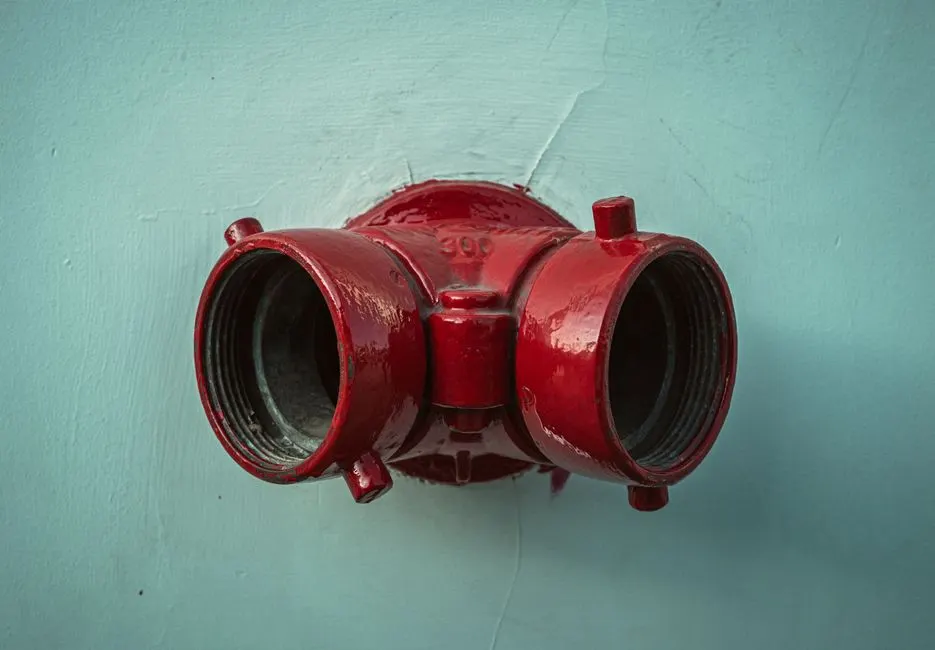 Burst Pipe Water RemovalA split copper or PEX tubing line can dump 10 gallons a minute into your basement. We shut off the water main shutoff valve, extract, and dry. Most burst-pipe basements we handle are dry to the touch within 4 to 6 hours of extraction.Explore →
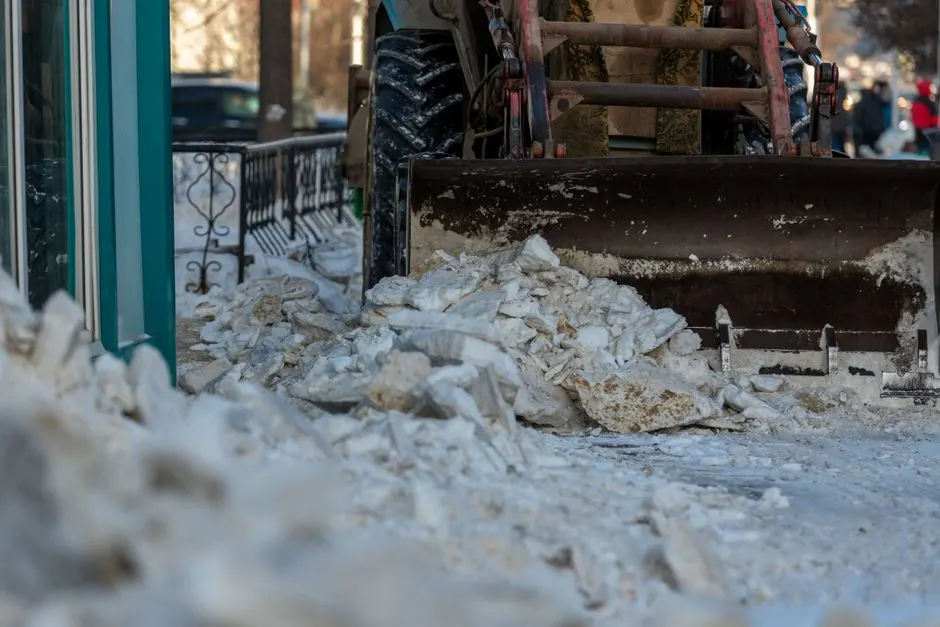 Frozen Pipe Water RemovalIdaho winters crack pipes in exterior walls and unheated crawl spaces. We thaw, extract, and dry, then tell you what to insulate with pipe insulation to prevent a repeat. Frozen pipe calls spike every January and February across the state.Explore →
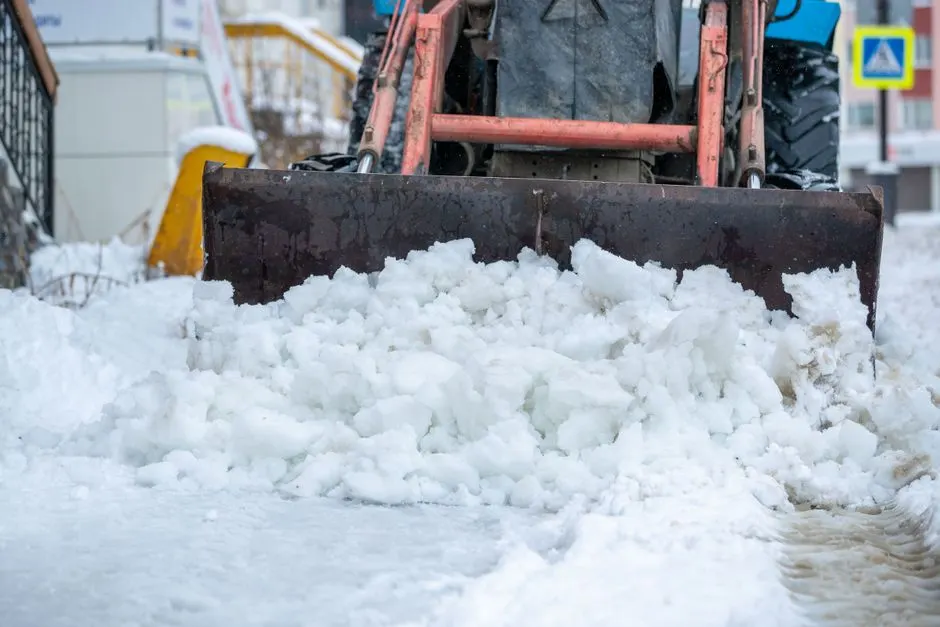 Storm Water RemovalSummer thunderstorms and spring melt push water through window wells and foundation cracks. We pump, extract, and dry before mold takes hold. If your basement floods every storm, we'll flag the grading and drainage fixes that stop it.Explore →
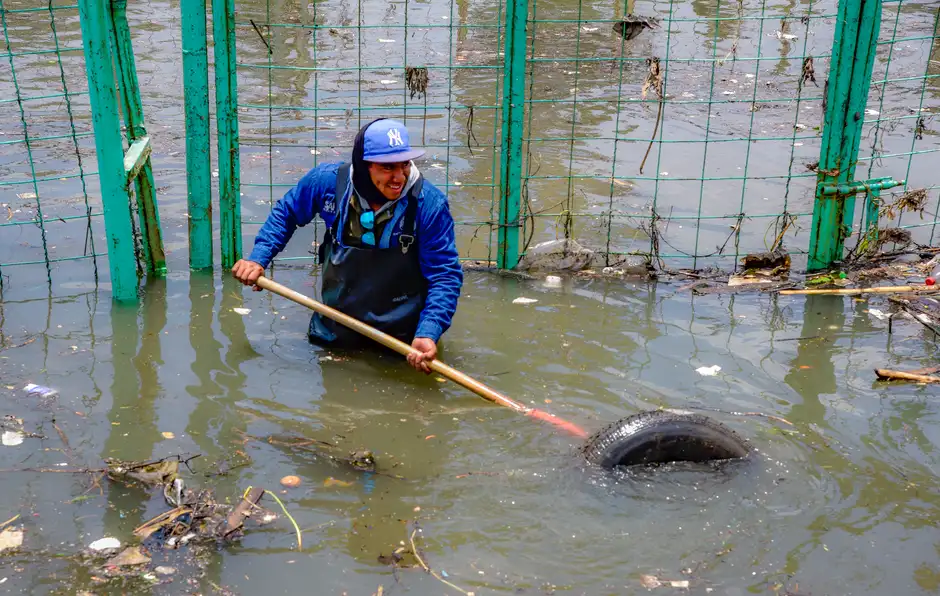 Standing Water RemovalStanding water in a basement breeds mold in 24 to 48 hours. We pull it with a water extraction unit, then run air movers and dehumidifiers until the slab reads dry. Most standing-water basements are dry within 3 to 5 days.Explore →
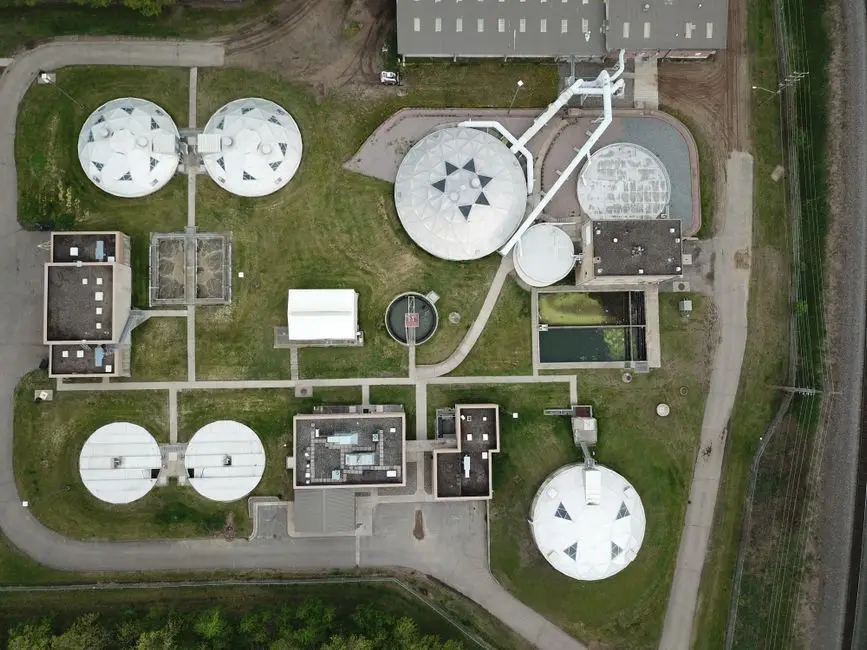 Sewage Water RemovalSewage backup is a Category 3 loss and needs more than a shop vac. We extract, remove contaminated materials, and disinfect with EPA-registered products. Pairs with basement water removal when the source is a surcharging city main or a failed sewer line.Explore →
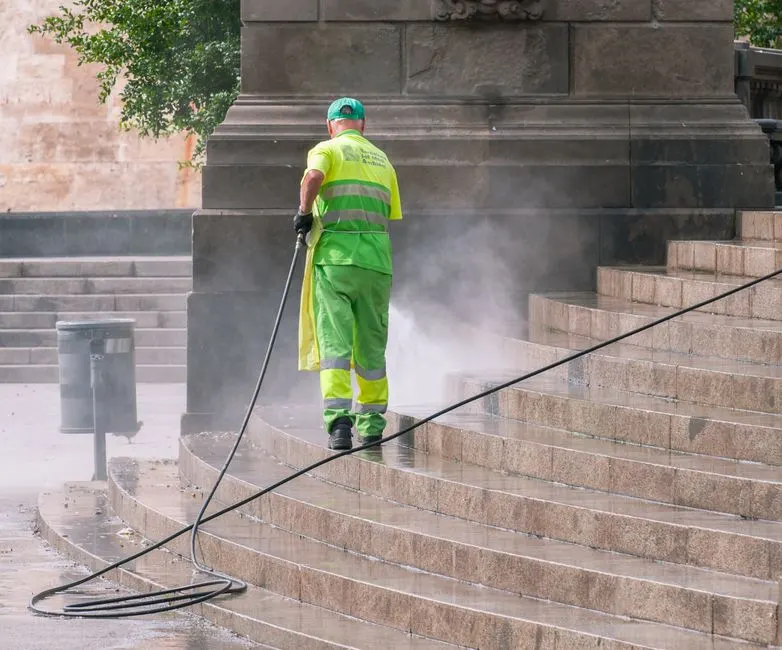 Crawl Space Water RemovalCrawl space flooding rots floor joists and feeds mold long before you notice. We extract, dry, and check vapor barrier condition. Common in older Idaho homes with dirt crawl spaces and no sump pump.Explore →
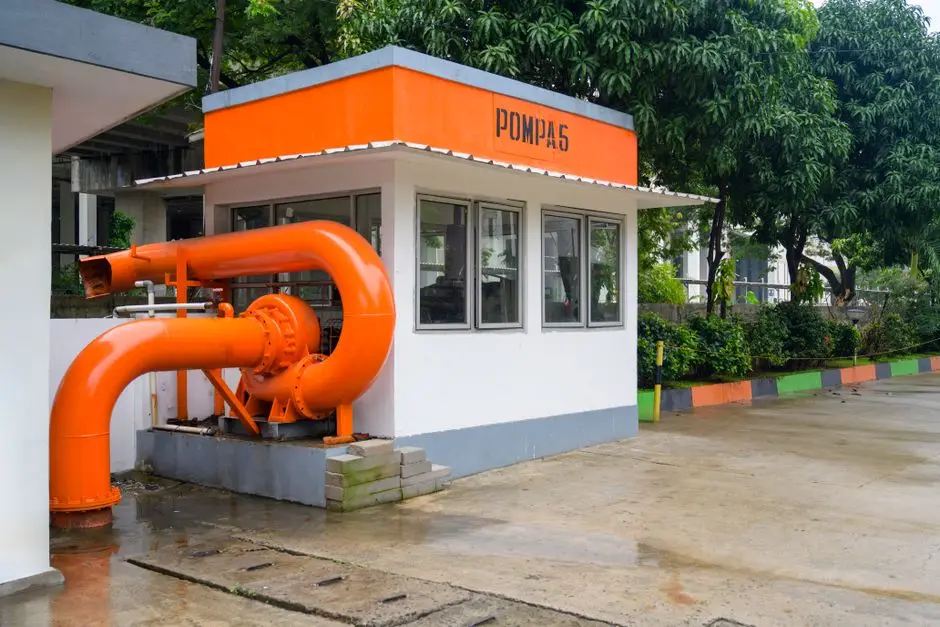 Sump Pump Failure Water RemovalWhen the sump pump quits during a storm, water rises fast. We drop in a temporary pump, extract, and dry. We'll also flag a failed sump pump check valve, which is the most common reason a pump cycles but doesn't move water.Explore →
Every hour water sits, damage spreads. Call (833) 640-1438 and we'll dispatch the nearest crew, 24/7. Licensed, insured, and drying verified by moisture meter before we leave.
Call Now (833) 640-1438 →Call us any hour, any day. We answer live, ask the right questions, and dispatch the nearest crew. Most Idaho calls see a truck within a few hours, and we handle extraction, drying, and source repair in one visit whenever possible.