Basement flooding from sump pump failure
We extract the water, dry the space, and can replace the sump pump and check valve. We also check for foundation seepage so it does not happen again.
Standing Water Removal in Idaho means getting the water out fast, then drying the structure so mold does not take hold. Our crews handle Idaho standing water extraction for flooded basements, crawl spaces, and storm-soaked floors. We are a licensed and insured water removal team serving homeowners and property managers across the state since 2015.

Standing Water Removal in Idaho is the process of extracting pooled water from a structure, then drying the framing, subfloor, and air so the building returns to a safe moisture level. It starts with locating the source, shutting off the supply, and pulling water with a truck-mounted extraction unit. From there, we set air movers and dehumidifiers, track readings with a moisture meter and thermal imaging camera, and confirm the structure is dry before we pack up.
Idaho properties deal with burst pipes in January, sump pump failure during spring runoff, and storm water intrusion after summer cloudbursts. When you need to remove standing water in Idaho, waiting even a day lets water wick into drywall and flooring underlayment. We handle standing water cleanup Idaho homeowners call about most: flooded basements, crawl space flooding, and sewage backup that needs immediate extraction and disinfection.
Every standing water removal job includes source identification, extraction, drying, and verification. We also handle disinfection when the water is contaminated. If you need plumbing repairs or mold remediation, we can do that too. Here is what is covered.
We find where the water is coming from and shut it off. That might mean closing the water main shutoff valve, resetting a sump pump, or tarping a roof leak. Stopping the source is step one.
We pull standing water with truck-mounted units, portable extractors, and wet/dry vacuums. For deep water, we use a sump pump first. Extraction removes the bulk of the water so drying can begin.
We set air movers and dehumidifiers to dry framing, subfloor, and air. Equipment runs 3 to 5 days on average. We monitor daily with a moisture meter and adjust as needed.
If the water is contaminated, we apply EPA-registered disinfectant after extraction. This is standard for sewage backup and storm water intrusion. We verify the area is clean before drying equipment goes in.
We take final readings and compare them to dry standard. You get a written drying report showing the numbers. This documentation is useful for insurance claims and for your own records.
You call and describe what you see. We ask about the water source, how deep it is, and whether sewage is involved. A crew is dispatched with the right equipment for your situation, usually within a few hours for emergencies. You get a call when we are on the way.
We locate the source and shut off the water main shutoff valve if it is still running. A thermal imaging camera and moisture meter map how far the water has traveled. This takes 20 to 40 minutes and tells us whether the problem is contained or has spread into walls and ceilings.
Truck-mounted and portable extraction units pull standing water from floors, carpets, and crawl spaces. For deep water, we use a sump pump first, then finish with wet/dry vacuums and floor drying mats. Most residential jobs are extracted within two to four hours.
We set Dri-Eaz and Phoenix air movers and dehumidifiers to dry framing, subfloor, and air. Equipment runs 3 to 5 days on average. We return daily to log moisture readings and adjust placement. You will hear the fans, but you will also see the numbers drop.
We take final moisture readings and compare them to dry standard for your materials. If everything checks out, we remove equipment and give you a written drying report. If any area is still wet, we keep drying until it is not.
Purpose-built equipment, used by trained technicians — so the job is done accurately the first time.
Pulls large volumes of water from carpets and hard floors. Used for most residential and commercial jobs.
High-velocity fans that evaporate moisture from framing and subfloor. We set them in a pattern to maximize airflow.
Removes moisture from the air so drying can continue. We size the unit to the square footage and humidity level.
Detects moisture behind walls and under floors. We use these to map the extent of water damage and verify drying.
For deep water and tight spaces. A sump pump removes bulk water, and a wet/dry vacuum finishes the job.
Dries hardwood and engineered flooring without causing warping. Used when floors are wet but salvageable.
A sump pump failed during spring runoff, leaving two inches of standing water across a finished basement. Carpet, drywall, and stored items were soaked. The homeowner called us at 6 a.m.
We extracted the water in three hours, removed the wet carpet, and set air movers and a dehumidifier. After four days, moisture readings were at dry standard. We replaced the sump pump and check valve.
Three inches of water filled a crawl space after a week of rain. The joists and insulation were wet, and mold was starting to form. The homeowner noticed a musty smell in the house.
We pumped the water out, removed the wet insulation, and set specialty drying equipment. After five days, the joists were dry and mold was treated. We installed a new vapor barrier.
A copper pipe split during a January cold snap and sprayed water into a finished basement. The ceiling was wet, and water pooled on the floor. The homeowner shut off the water and called us.
We repaired the pipe with PEX, extracted the water, and dried the ceiling and floor. After three days, moisture readings were normal. No drywall replacement was needed.
Standing water causes damage fast. Here are the most common problems we see and how we fix them.
Ask a pro →We extract the water, dry the space, and can replace the sump pump and check valve. We also check for foundation seepage so it does not happen again.
We pump the water out, set specialty drying equipment, and verify with a moisture meter. We also check for vapor barrier issues and drainage problems.
We shut off the water, repair the pipe with copper or PEX, extract the water, and dry the structure. We also check for hidden moisture in walls with a thermal imaging camera.
We extract the water, remove contaminated materials, disinfect with EPA-registered products, and dry the space. We verify with moisture meters before we finish.
“Our water heater let go on a Friday night and flooded the utility room and hallway. ID Water Remover Pros had a crew out in under two hours. They extracted the water, set fans and a dehumidifier, and came back three days to check readings. Everything was dry and we did not have to replace the flooring.”
Mark R.Homeowner, Boise
✓ Verified“We manage several rentals and had a sump pump fail during spring runoff. The crawl space had about four inches of standing water. Their crew pumped it out, dried the joists, and verified with a moisture meter. They also replaced the check valve. Professional and fast.”
Sandra K.Property Manager, Post Falls
✓ Verified“A pipe froze and split in January while we were out of town. We came home to standing water in the basement. They extracted the water, repaired the copper pipe, and dried everything. The drying report helped with our insurance claim. Would call them again.”
Dale W.Homeowner, Idaho Falls
✓ VerifiedMost residential standing water removal jobs in Idaho run $180 to $450 for extraction alone, or $1,200 to $3,500 when drying equipment and monitoring are included. Cost depends on water depth, square footage, and whether sewage is involved. Crawl space jobs often cost more because access is tighter. We quote before we start so you know the number.
ID Water Remover Pros handles emergency standing water extraction in Idaho 24 hours a day, 7 days a week. Call (833) 640-1438 and we dispatch a crew with extraction units and drying equipment. We serve Boise, Coeur d'Alene, Idaho Falls, and communities across the state. Most emergency calls get a crew on-site within a few hours.
You remove standing water from a crawl space by pumping it out first, then drying the joists and insulation with air movers and a dehumidifier. Do not just let it drain. Crawl spaces stay humid, and mold can start in 24 to 48 hours. We use a sump pump for bulk water, then set drying equipment and verify with a moisture meter.
Yes. Standing water in Idaho can carry sewage bacteria, and it creates ideal conditions for mold within 24 to 48 hours. It also damages subfloors, drywall, and framing. If the water came from a sewage backup or a roof leak, treat it as contaminated and call a professional. We test, extract, and disinfect so the space is safe to use again.
We provide standing water cleanup Idaho-wide, from the Treasure Valley to North Idaho and the eastern communities. Our crews are based strategically to reach both urban and rural areas. Whether you are in a small town or a larger city, we bring the same equipment and the same process. Here are some of the communities we serve.
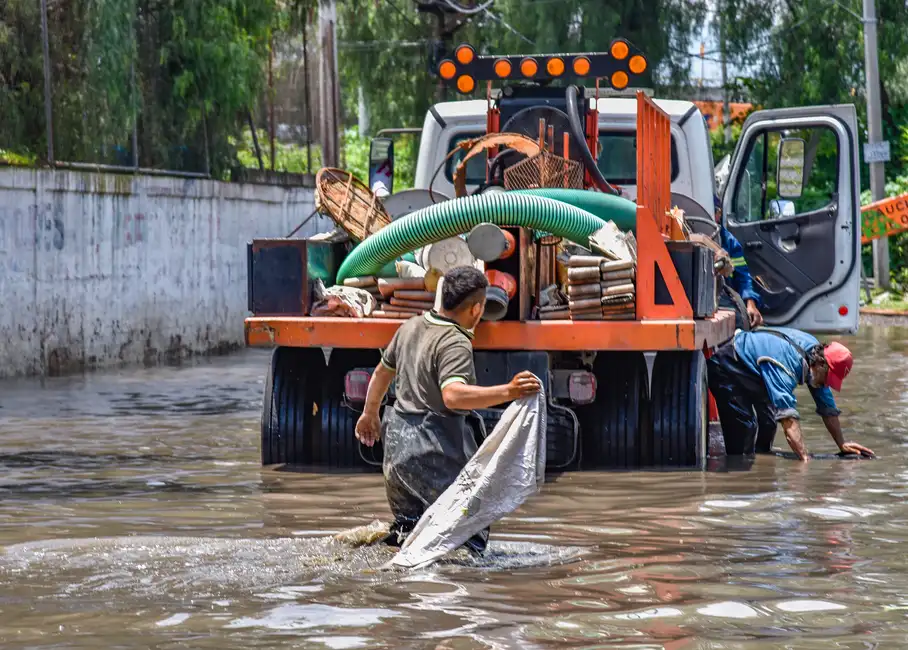 Flood Water RemovalFlood water removal handles large-volume water from storm flooding and river overflow. We extract, dry, and disinfect. It pairs with standing water removal when floodwater pools inside a structure.Explore →
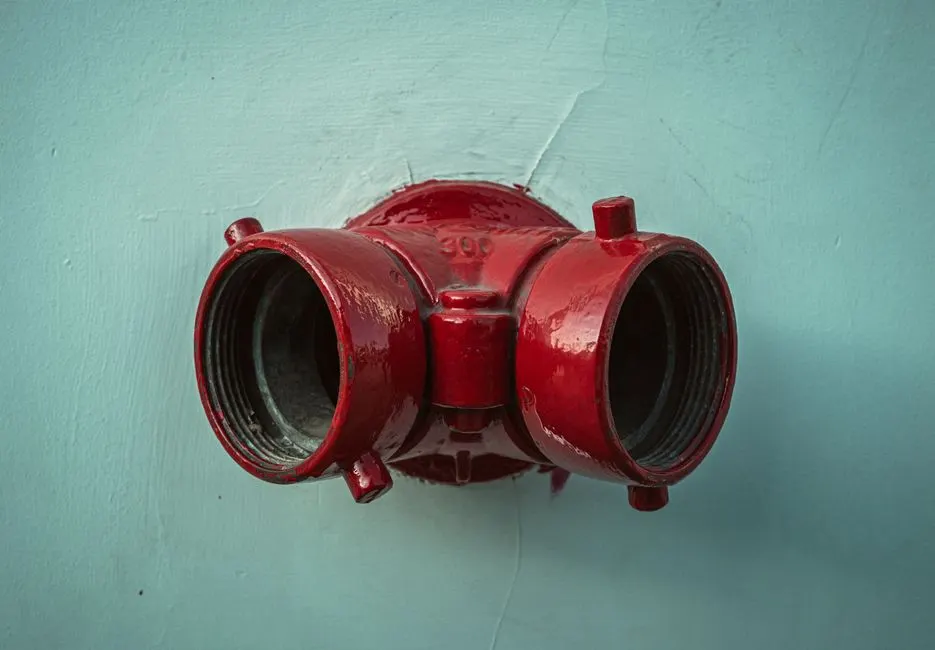 Burst Pipe Water RemovalA burst pipe can dump hundreds of gallons before you find the shutoff. We extract the water, repair the pipe with copper or PEX, and dry the structure so you are not left with a soggy subfloor.Explore →
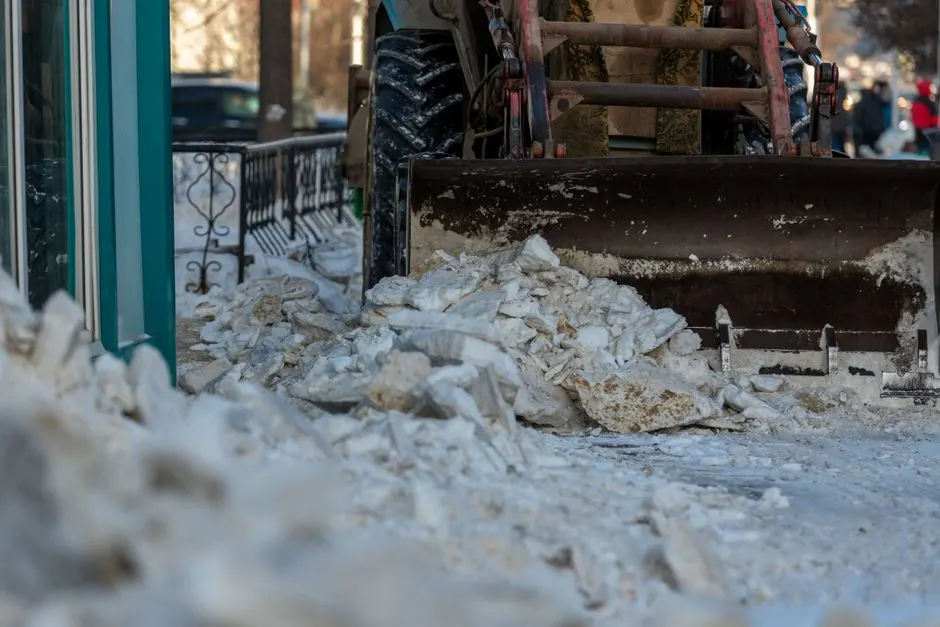 Frozen Pipe Water RemovalIdaho winters split pipes when water freezes and expands. We thaw the line, repair the split, extract the water, and dry the area. Frozen pipe jobs often start as standing water calls after the thaw.Explore →
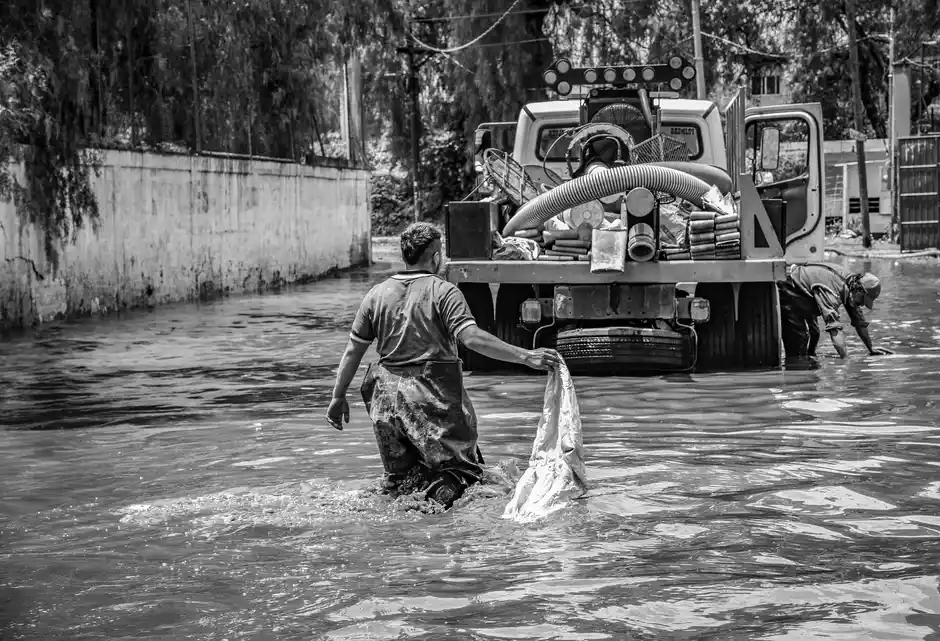 Basement Water RemovalBasements collect water from failed sump pumps, foundation seepage, and burst pipes. We pump, extract, and dry. Basement water removal is one of our most common standing water calls in Idaho.Explore →
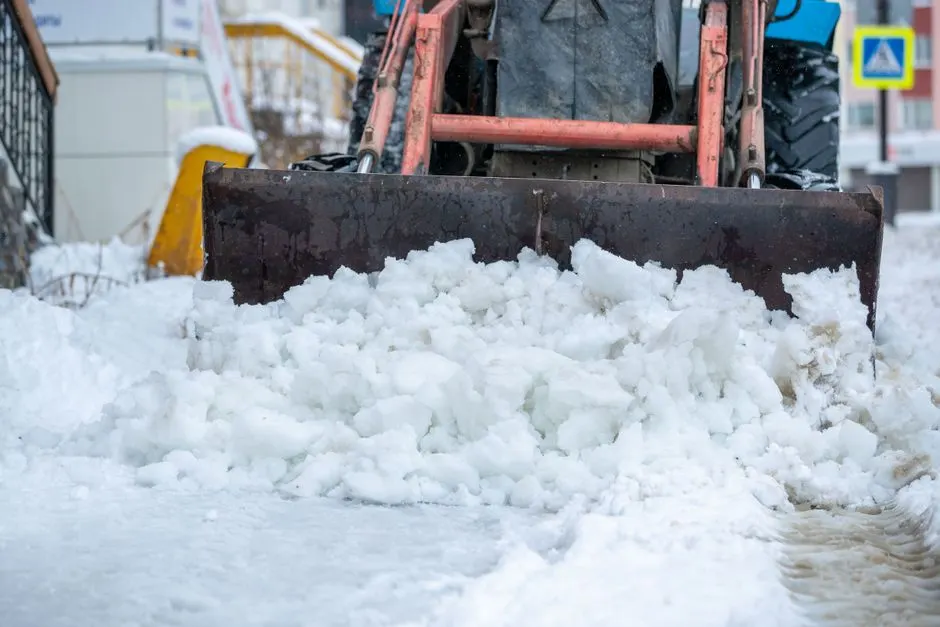 Storm Water RemovalSummer cloudbursts and spring runoff push water into homes through window wells and doors. We extract storm water, dry the structure, and check for roof and foundation entry points.Explore →
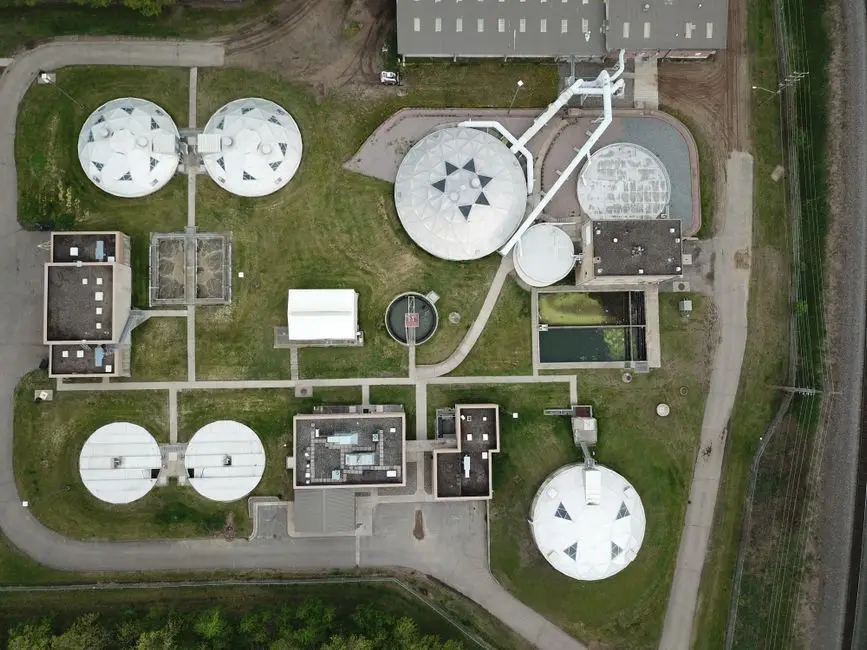 Sewage Water RemovalSewage backup is contaminated water and needs immediate extraction plus disinfection. We remove the water, sanitize the area, and verify with moisture meters. Do not handle sewage water yourself.Explore →
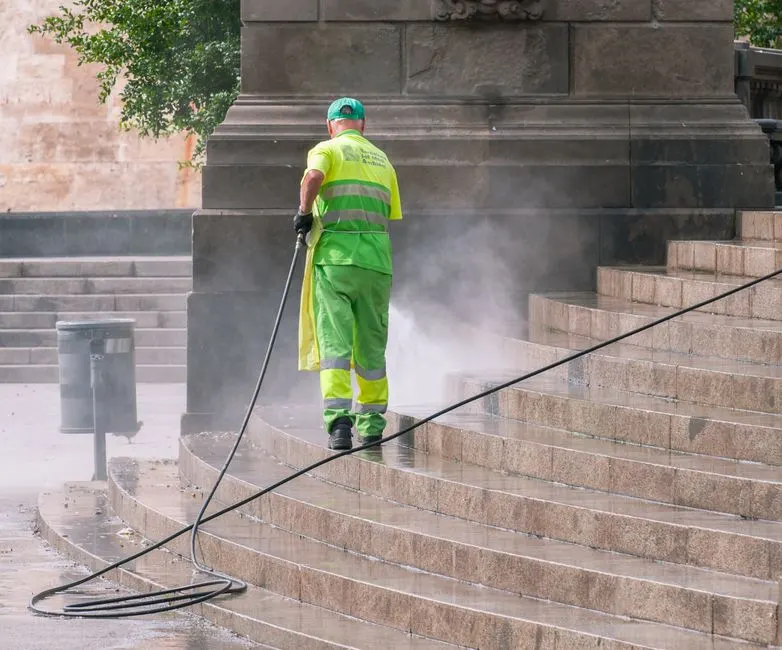 Crawl Space Water RemovalCrawl space flooding is common after heavy rain or a sump pump failure. We pump the water out, dry the joists and insulation, and check for mold. Crawl spaces need specialty drying because airflow is limited.Explore →
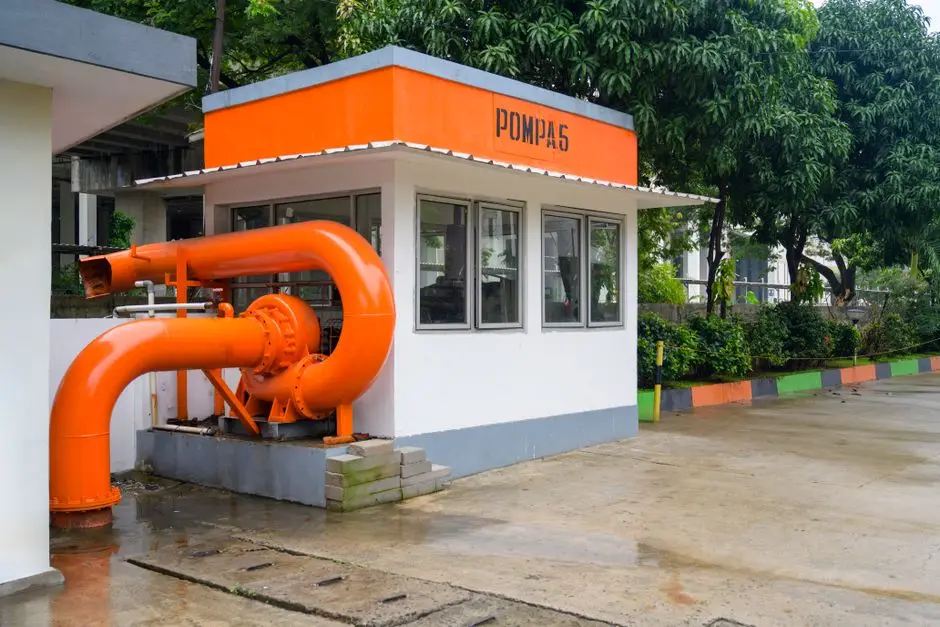 Sump Pump Failure Water RemovalWhen a sump pump fails, water backs up fast. We extract the water, dry the area, and can replace the pump and check valve. Sump pump failure is one of the top causes of basement flooding in Idaho.Explore →
Call (833) 640-1438 and we will dispatch a crew with extraction and drying equipment. We answer 24/7 and serve communities across Idaho. Licensed, insured, and ready to pull the water out before it spreads.
Call Now (833) 640-1438 →Call us any hour, any day. We answer live, ask the right questions, and dispatch the nearest crew. Most Idaho calls see a truck within a few hours, and we handle extraction, drying, and source repair in one visit whenever possible.