Ceiling stain spreading after a storm
We trace the leak with thermal imaging, extract the water, cut out saturated drywall, and dry the cavity. Most ceiling jobs are dry in three to five days with moisture readings under 15 percent.
Roof Leak Water Removal in Idaho is what you call when rain, snowmelt, or ice damming pushes water through your shingles and into your ceiling. Our crews run 24/7 from Boise to Idaho Falls, pulling standing water out of attics, ceilings, and wall cavities before mold sets in. We find the entry point, extract the water, and dry the structure with calibrated equipment. One call, one crew, one dry house.

Roof Leak Water Removal in Idaho is the process of extracting water that has entered a home through a failed roof assembly, then drying the ceiling, insulation, and framing so the structure does not rot or grow mold. It starts with moisture mapping using a thermal imaging camera and a pin-type moisture meter to trace where the water traveled. From there we pull standing water with a truck-mounted extraction unit, remove saturated insulation and drywall, and set Dri-Eaz and Phoenix Restoration Equipment air movers and dehumidifiers to dry the cavity.
Idaho homes see this problem from three directions: February ice dams in the Treasure Valley, spring hail on the Snake River Plain, and wind-driven rain along the Panhandle. A single ceiling leak can dump 30 to 60 gallons into an attic before you notice the stain. That is why we treat every call as emergency roof leak water removal in Idaho, not a next-week appointment. If you are searching for same-day roof leak water removal Idaho homeowners can rely on, our dispatch line is staffed around the clock.
Every roof leak job starts with the same core scope. What varies is how far the water traveled and how much material has to come out. Here is what is standard on every call, and what we add when the damage calls for it.
Thermal imaging camera and pin-type moisture meter readings on every affected surface, from the attic rafters down to the flooring underlayment. You get a written map of where the water went, not just where the stain showed.
Truck-mounted extraction unit and wet/dry vacuum pull standing water from ceilings, wall cavities, and floors. A typical single-room roof leak yields 15 to 40 gallons of extracted water before we move to drying.
Wet insulation, sagging drywall, and unsalvageable flooring come out and get bagged for disposal. Leaving saturated material in place is how mold starts. We remove what cannot be dried and document it for your claim.
Dri-Eaz and Phoenix Restoration Equipment air movers and dehumidifiers are placed to dry the ceiling cavity, framing, and subfloor. We log moisture readings every 24 hours until the structure reads under 15 percent.
We apply EPA-registered antimicrobial to affected framing and cavities after extraction. This is not a substitute for drying, but it stops surface mold from taking hold during the dry-out window.
Photos, moisture logs, itemized scope, and a completion report formatted for adjusters. We bill most major carriers directly and walk you through the deductible and claim process.
You reach a live dispatcher, not a voicemail. We ask where the water is showing, how long it has been leaking, and whether the ceiling is bulging. That last question matters: a bulging ceiling can drop 40 to 80 pounds of wet drywall. We coach you on shutting off the water main shutoff valve if needed and get a truck rolling within minutes.
A certified technician walks the attic, ceiling, and affected rooms with a thermal imaging camera and moisture meter. We trace the leak back to the actual entry point, not just the stain. Expect 20 to 30 minutes for a typical single-family home. You get a written scope and price before any equipment comes off the truck.
We pull standing water with a truck-mounted extraction unit and a wet/dry vacuum for tight corners. Saturated insulation and unsalvageable drywall come out and get bagged. A typical ceiling leak yields 15 to 40 gallons of extracted water. This step usually runs one to three hours depending on how far the water spread.
We set Dri-Eaz and Phoenix air movers and dehumidifiers to dry the ceiling cavity, framing, and flooring underlayment. A moisture meter reading is logged every 24 hours. Most jobs dry in three to five days. We do not pull equipment until the cavity reads under 15 percent moisture content.
We re-inspect with the thermal camera, confirm dry readings, and hand you a completion report with photos and moisture logs for your insurance file. We also point out the roof repair you will need from a licensed roofer, because drying the water is only half the job. The leak has to be fixed or it comes back.
Purpose-built equipment, used by trained technicians — so the job is done accurately the first time.
Finds hidden moisture behind drywall and in ceiling cavities without cutting exploratory holes. Every inspection starts here.
Reads exact moisture content in framing, drywall, and subfloor. We log readings every 24 hours until the structure reads under 15 percent.
Pulls standing water fast from ceilings, floors, and wall cavities. A single-room roof leak typically yields 15 to 40 gallons.
Directed airflow dries ceiling cavities, wall framing, and subfloor. Placement is calculated by cubic footage, not guesswork.
Pulls moisture out of the air so the structure can dry. Without dehumidification, air movers just move wet air around.
Filters mold spores and dust out of the air during demolition and drying. Standard on every job where material is removed.
Looks inside wall cavities and behind finished surfaces without tearing them open. Confirms where water traveled and where it stopped.
An ice dam backed water under the shingles in February. The master bedroom ceiling showed a two-foot stain and the drywall was sagging. Moisture meter readings in the ceiling cavity hit 32 percent, and the insulation above was fully saturated.
We extracted 22 gallons of standing water, removed the wet insulation and sagging drywall, and ran Dri-Eaz air movers and a commercial dehumidifier for four days. Final readings came in at 11 percent. The homeowner's insurance covered the full scope.
Wind-driven rain pushed through a failed chimney flashing and soaked the exterior wall of a home office. The interior paint was bubbling and the wall cavity read 28 percent moisture. The homeowner had no idea the leak was running for weeks.
We opened the wall, extracted from the cavity, treated the framing with antimicrobial, and dried the assembly in five days. Final readings were 12 percent. The homeowner had the flashing repaired before the next storm cycle.
A late-spring hailstorm bruised shingles across the roof. The next rain pushed water into the attic and through a hallway ceiling. Insulation was soaked across 400 square feet and the ceiling drywall was unsalvageable.
We removed 400 square feet of saturated insulation, cut out the wet drywall, extracted standing water, and dried the attic deck and framing in five days. Final moisture readings averaged 10 percent. The full scope went to the carrier with photos and logs.
Roof leaks show up in different ways depending on the season and the building. Here are the calls we run most often, and what happens if they get ignored.
Ask a pro →We trace the leak with thermal imaging, extract the water, cut out saturated drywall, and dry the cavity. Most ceiling jobs are dry in three to five days with moisture readings under 15 percent.
We extract from the interior, remove wet insulation, and dry the wall cavity with directed air movers. We also flag the attic insulation and ventilation issues that caused the dam.
We remove saturated insulation, dry the deck and rafters, and document the loss for your insurance claim. Replacement insulation goes back in after readings confirm the structure is dry.
We shut off power to the affected circuit, extract from above, and dry the ceiling cavity. We document the wiring exposure so your electrician can inspect before power is restored.
“Ice dam backed water up under our shingles in February and we woke up to a soaked ceiling in the master bedroom. Called at 6 a.m., crew was here by 7:30. They pulled about 25 gallons out, set air movers, and had us dry in four days. Insurance covered it because their paperwork was spotless. Could not have asked for a smoother process.”
Marcus T.Homeowner, Nampa
✓ Verified“Wind-driven rain pushed water through a flashing failure on our addition. The ceiling was bulging and I was panicking. Their tech walked me through shutting off the water and had a crew out within the hour. They cut out the wet drywall, dried the cavity, and even flagged the roof repair we needed. Honest, fast, and no surprise charges.”
Danielle R.Homeowner, Coeur d'Alene
✓ Verified“We manage 14 rentals and have used ID Water Remover Pros on three roof leak calls this year. Every time they show up when they say, document everything for the carrier, and leave the unit dry and ready to re-rent. Their moisture logs have saved us arguments with adjusters more than once. They are our first call now.”
Kevin M.Property Manager, Idaho Falls
✓ VerifiedMost Idaho roof leak water removal jobs run $450 to $1,800 for a single affected room, and $2,500 to $6,000 for multi-room or attic-wide damage. Cost depends on square footage affected, how much drywall and insulation has to come out, and whether mold remediation is needed. Emergency after-hours dispatch adds a modest premium. You get a written price before we start, and we bill most insurance carriers directly.
ID Water Remover Pros runs 24/7 emergency roof leak water extraction in Idaho from our dispatch line at (833) 640-1438. We cover the entire state, from Coeur d'Alene and Post Falls down through Boise, Meridian, Nampa, Twin Falls, Idaho Falls, and Rexburg. Crews are on call every night, weekend, and holiday. Most addresses see a truck within 60 to 90 minutes of the call.
Water shows up on your ceiling because it entered somewhere higher and traveled along framing before it soaked through the drywall. Common culprits in Idaho are failed flashing, cracked pipe boots, ice damming at the eaves, and hail-bruised shingles. The stain is rarely directly under the actual leak. A thermal imaging camera and moisture meter trace it back to the real entry point, which is why we inspect before we extract.
Most standard Idaho homeowners policies cover sudden and accidental roof leak damage, including extraction and drying. What they usually do not cover is long-term neglect, like a slow leak you knew about for months. We document everything with photos, moisture readings, and an itemized scope formatted for adjusters. That paperwork is the difference between a fast approval and a fight.
ID Water Remover Pros delivers Roof Leak Water Removal in Idaho statewide, with crews staged to reach both the Treasure Valley metro and the rural communities that most companies skip. Whether you need emergency roof leak water extraction in Idaho at 2 a.m. or a scheduled dry-out after a weekend storm, we get a truck to your address.
 Flood Water RemovalWhen a roof leak turns into a full flooding event, we scale up fast. Truck-mounted extraction units, sump pumps, and industrial drying handle everything from a soaked basement to a flooded main floor. Same crews, same 24/7 dispatch.Explore →
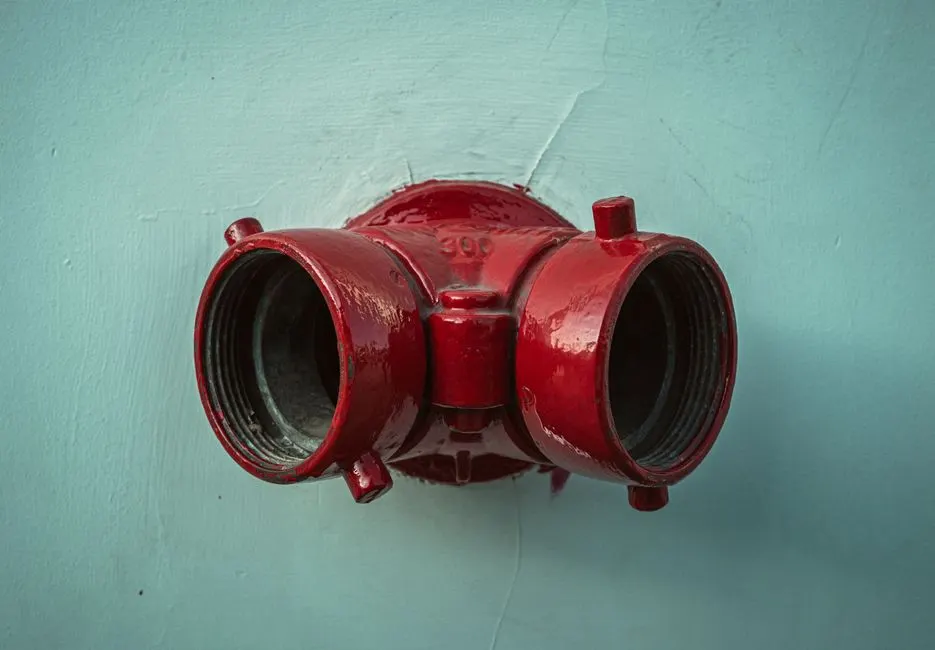 Burst Pipe Water RemovalA burst copper or PEX line can dump 10 gallons a minute into your walls. We shut off the water main, extract, and dry the cavity. Often the same visit as a roof leak call when winter hits hard.Explore →
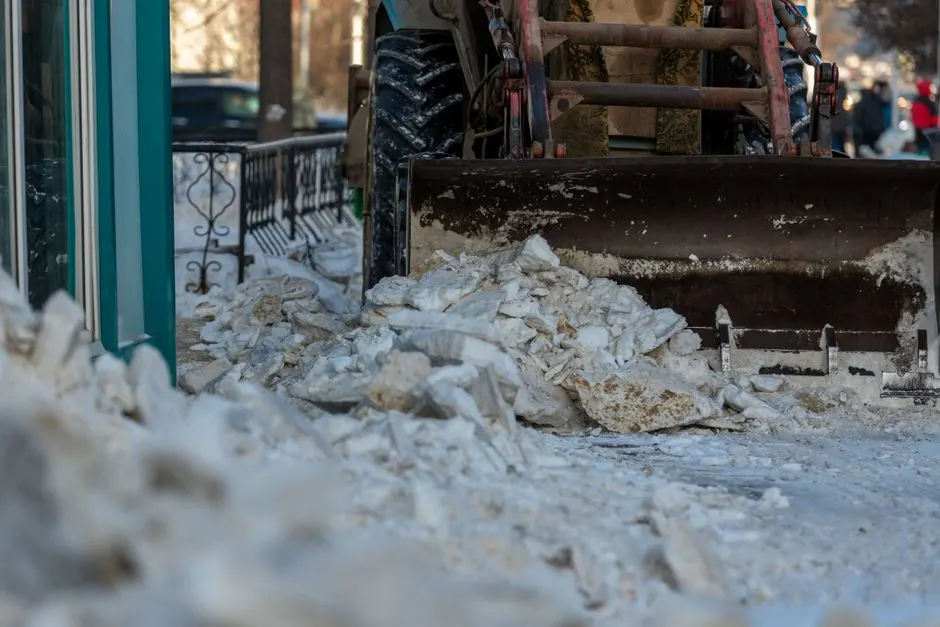 Frozen Pipe Water RemovalIdaho winters crack pipes in unheated crawl spaces and exterior walls. We thaw, extract, and dry, then flag the pipe runs that need insulation before the next cold snap. Common call in January and February.Explore →
 Basement Water RemovalRoof leaks often drain down into basements through wall cavities. We extract standing water, dry the slab and framing, and check for sump pump failure or sewer backup that may have happened at the same time.Explore →
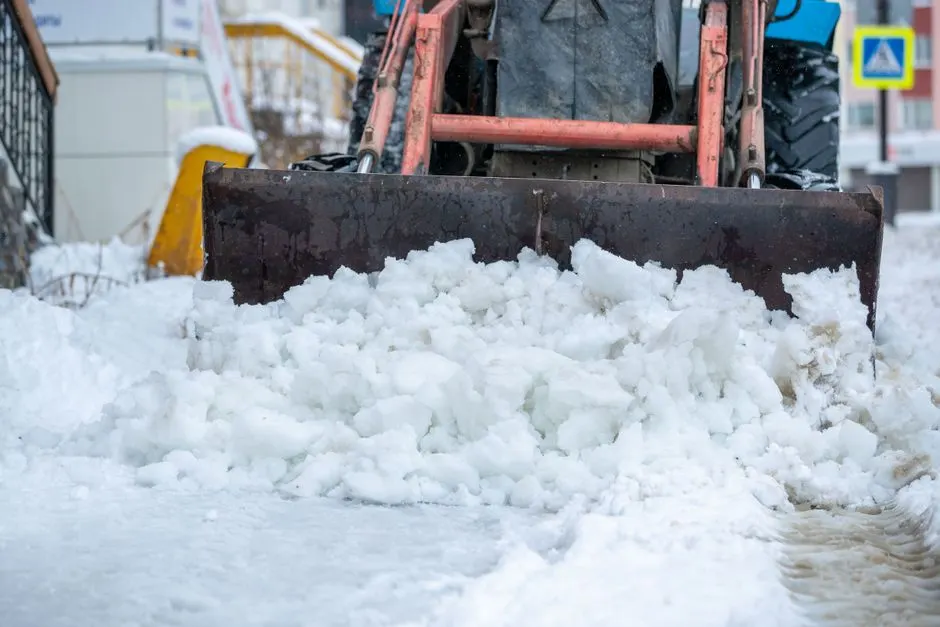 Storm Water RemovalHailstorms and wind-driven rain push water through roofs and around windows. We handle the extraction and drying after the storm passes, then document everything for your insurance claim.Explore →
 Standing Water RemovalAny standing water over a quarter inch deep needs extraction within 24 hours to prevent mold. We pump, extract, and dry, whether the source is a roof leak, a failed appliance line, or a backed-up drain.Explore →
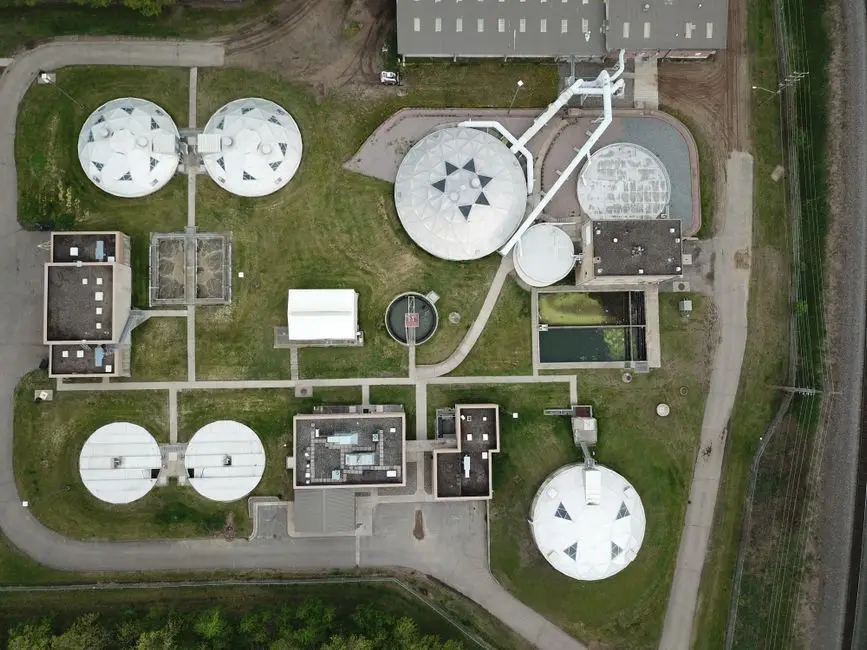 Sewage Water RemovalCategory 3 water requires full PPE, antimicrobial treatment, and often removal of contaminated materials. If a roof leak combined with a sewage backup, we handle both under one scope.Explore →
 Crawl Space Water RemovalWater that misses the ceiling and drains into a crawl space causes rot and vapor problems fast. We extract, dry, and treat the space, then recommend encapsulation if it is a recurring issue.Explore →
Mold colonizes wet drywall in 24 to 48 hours. Every hour you wait raises the repair bill. Call ID Water Remover Pros at (833) 640-1438 for 24/7 dispatch, upfront pricing, and direct insurance billing. We have been drying Idaho homes since 2015.
Call Now for Dispatch (833) 640-1438 →Call us any hour, any day. We answer live, ask the right questions, and dispatch the nearest crew. Most Idaho calls see a truck within a few hours, and we handle extraction, drying, and source repair in one visit whenever possible.