Does homeowners insurance in Idaho cover burst pipe water damage?
Yes, most Idaho homeowners policies cover sudden burst pipe water damage. Here's what's covered, what's excluded, and how to file a claim without getting denied.
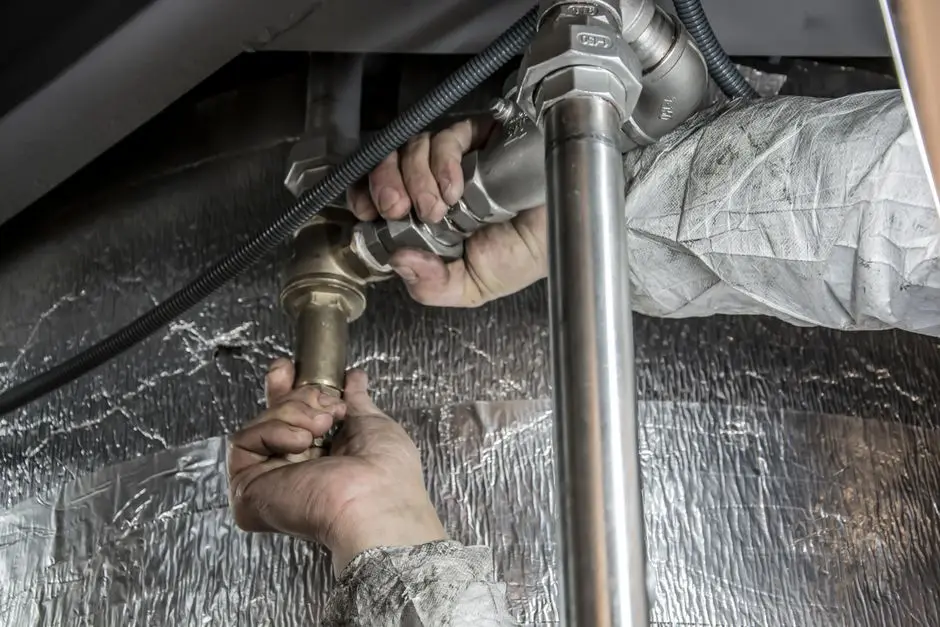
Yes, homeowners insurance in Idaho covers burst pipe water damage in most cases, as long as the damage is sudden and accidental rather than the result of long-term neglect. A pipe that freezes and splits during a January cold snap, or a supply line that fails without warning, is exactly the kind of event a standard HO-3 or HO-5 policy is built to pay for. What usually is not covered is the pipe itself, plus any rot or mold that built up over months because a slow leak went ignored.
We are ID Water Remover Pros, and we have pulled water out of hundreds of Idaho homes after pipe failures. What we see in the field lines up with what adjusters tell us: the claim almost always gets paid when the homeowner acts fast and documents properly. The rest of this post walks through what your policy actually covers, how to file a claim in Idaho, what water removal costs here in 2026, and the specific mistakes that turn a covered loss into a denial.
The short answer: yes, with conditions
Does homeowners insurance in Idaho cover burst pipe water damage? It covers the resulting water damage - soaked drywall, ruined flooring, wet insulation, damaged furniture - when the pipe failure is sudden and accidental. It does not cover the pipe itself, and it does not cover damage the insurer can prove was caused by neglect.
The distinction that decides most claims is sudden versus gradual. A pipe that bursts at 2 a.m. and floods your kitchen is sudden. A pinhole leak that has been dripping inside a wall for eight months and finally rotted through the subfloor is gradual. Idaho adjusters look for evidence of how long water was present: staining patterns, mold growth, warped baseboards, and the condition of the pipe at the break point.
Idaho has a specific wrinkle worth knowing. Our winters swing hard - a Boise afternoon can hit 45°F and the same night drop to 12°F. That freeze-thaw cycle is brutal on pipes in unheated crawl spaces and exterior walls, which is why we run so many frozen pipe calls from November through March. If your home has a crawl space foundation, which is common in older Boise and Nampa neighborhoods, your burst pipe risk is meaningfully higher than a slab-on-grade home.
What Idaho homeowners insurance covers for burst pipe water damage
Idaho water damage insurance policies built on the standard HO-3 form typically pay for the following when a pipe bursts:
- Water extraction and drying. The cost to pump out standing water, set up commercial dehumidifiers and air movers, and dry the structure to acceptable moisture levels.
- Damaged building materials. Drywall, insulation, hardwood, carpet, tile, and subfloor that has to be removed and replaced.
- Personal property. Furniture, electronics, clothing, and other contents, usually up to a sublimit like 50-70% of your dwelling coverage.
- Loss of use. If your home is uninhabitable during repairs, most Idaho policies pay for hotel and meals above your normal living costs.
- Mold remediation - but only when the mold is a direct result of the covered burst pipe event and was addressed promptly.
Dwelling coverage limits in Idaho commonly run $250,000 to $500,000 for a single-family home, with a separate deductible that is often $1,000 to $2,500. Some Idaho carriers now offer a specific water backup or service line endorsement for $50 to $150 a year - worth asking about if your home has older galvanized or polybutylene plumbing.
One thing homeowners miss: the pipe repair itself is usually excluded. Your policy pays to dry the house and fix what the water ruined, but the actual plumbing repair - cutting out the split section and sweating in a new one - is on you. That is typically a $250 to $600 plumber bill depending on access and pipe material.
What Idaho homeowners insurance does not cover
Idaho homeowners insurance water damage claims get denied for a short list of reasons, and they are almost always tied to maintenance or timing.
- Gradual leaks and long-term seepage. If the adjuster can show the pipe was corroding for months, the loss is considered maintenance-related.
- Freezing when the home was unoccupied. Most policies exclude freeze damage if the home was vacant for more than 30 days and heat was not maintained. If you snowbird to Arizona for the winter, this matters.
- Mold that was not mitigated quickly. Mold can start colonizing wet drywall in 24 to 48 hours. Wait a week and the mold portion of your claim gets carved out.
- The pipe itself. As noted above, the plumbing repair is your responsibility.
- Flood water. Water that enters from outside - a swollen creek, a storm surge, an overflowing irrigation canal - is flood damage and requires a separate NFIP or private flood policy. This is a real issue in low-lying parts of Canyon County.
If your loss involves outside water rather than a burst pipe, that is a different claim and a different coverage conversation. We handle both, and we can walk you through what your adjuster will want to see.
How to file a burst pipe water damage claim in Idaho
How to file burst pipe water damage claim in Idaho: shut off the water, call a water removal company, document everything with photos, then call your insurer - in that order. The order matters because every hour of standing water increases the claim size and the chance of a mold exclusion.
- Shut off the main water valve. In most Idaho homes it is near the street or in the crawl space. If you cannot find it, call us and we will locate it.
- Kill the power to affected rooms at the breaker panel if water is anywhere near outlets or appliances.
- Call a water removal company first. Mitigation is the emergency part. Insurance can wait an hour; water damage cannot.
- Photograph and video everything before anything is moved - the break point, the standing water, damaged belongings, the moisture readings.
- Call your insurer and open the claim. Give them the date, time, and cause.
- Keep every receipt. Hotel, meals, a shop vac, replacement towels - all reimbursable under most policies.
- Do not throw anything away until the adjuster has seen it or given you the green light.
Idaho does not require a public adjuster, and most straightforward burst pipe claims do not need one. If your claim is denied or underpaid, you have the right to request a re-inspection and, if needed, file a complaint with the Idaho Department of Insurance.
How much does burst pipe water removal cost in Idaho?
Typical 2026 pricing for burst pipe water removal in Idaho runs $1,200 to $3,500 for a single-room loss, and $4,000 to $9,000 or more when water has reached multiple rooms, a crawl space, or a finished basement. The range is wide because the variables are wide: how much water escaped, how long it sat, what materials got wet, and whether mold is already present.
Here is roughly how the line items break down in the Treasure Valley:
- Emergency water extraction: $400 to $900 for the first few hours on site.
- Commercial drying equipment: $30 to $75 per unit per day, usually 3 to 5 days.
- Moisture mapping and monitoring: $150 to $400.
- Antimicrobial treatment: $0.25 to $0.75 per square foot.
- Drywall and insulation removal: $2 to $5 per square foot where needed.
- Content pack-out and cleaning: $300 to $1,500 depending on volume.
We give you a written scope and a fixed price before we start, and we bill your insurer directly when the claim is covered. You are responsible for your deductible, and that is it in most cases.
Common mistakes that get Idaho burst pipe claims denied
The single biggest mistake we see is homeowners waiting until morning to call. Water wicks into drywall, insulation, and framing overnight, and by the time a crew arrives the damage footprint has doubled. Mold can begin in under 48 hours.
Other claim-killers:
- Turning the heat off before a trip. If your home is vacant more than 30 days with no heat, a freeze loss is likely excluded.
- Doing the cleanup yourself without documentation. If you haul wet carpet to the dump before photographing it, the adjuster cannot verify the loss.
- Hiring an unlicensed contractor who cannot produce a proper invoice or moisture log. Insurers reject those invoices.
- Ignoring a slow drip for weeks, then calling it a burst. Adjusters can tell the difference from the pipe condition.
- Not asking about a water backup endorsement until after the loss. Add it before winter, not after.
If you are in an older home - pre-1980 plumbing, galvanized steel, or original polybutylene - get a plumber to inspect before the first hard freeze. A $150 inspection is cheaper than a $6,000 claim.
When to call a professional
Call a professional the moment water is more than a towel can handle, or the moment you cannot see where it is going. Water travels along joists and inside wall cavities, so the visible puddle is often a fraction of the actual spread.
Call us if any of these are true:
- Water has reached carpet, hardwood, or drywall.
- The loss is in a crawl space, basement, or second floor.
- You smell musty or see any discoloration on walls or ceilings.
- The pipe burst more than 24 hours ago.
- You are filing an insurance claim and need documentation.
Our team handles emergency burst pipe water extraction in Idaho around the clock, and we work directly with your adjuster so you are not stuck translating between a plumber, a contractor, and an insurance company.
Frequently Asked Questions
Does homeowners insurance in Idaho cover burst pipe water damage?
Yes, in most cases. Standard Idaho HO-3 and HO-5 policies cover sudden and accidental water damage from a burst pipe, including extraction, drying, and repairs. The pipe itself is usually excluded, and gradual leaks or freeze damage in a vacant home are typically denied.
How do I file a burst pipe water damage claim in Idaho?
Shut off the water, call a water removal company, photograph everything, then call your insurer to open the claim. Keep all receipts and do not discard damaged property until the adjuster has seen it. Most Idaho claims are assigned an adjuster within 24 to 72 hours.
What does Idaho homeowners insurance cover for water damage?
It covers sudden and accidental water damage from burst pipes, appliance failures, and supply line breaks - including extraction, drying, structural repairs, and contents. It does not cover flood water, gradual leaks, or the failed pipe itself. Flood coverage requires a separate policy.
Who do I call for burst pipe water removal in Idaho?
Call a licensed water removal company first, before your insurer. Mitigation is time-sensitive and every hour of standing water increases damage and mold risk. ID Water Remover Pros handles emergency extraction, drying, and direct insurance billing across Idaho.
How much does burst pipe water removal cost in Idaho?
Expect $1,200 to $3,500 for a single-room loss and $4,000 to $9,000 or more for multi-room or crawl space flooding in 2026. Most of that is covered by insurance once your deductible is met. We provide a written fixed price before work begins.
Get help with Water Removal in Idaho
If a pipe just burst in your Idaho home, we can be on site fast to extract the water, dry the structure, and document everything your insurer needs. Call ID Water Remover Pros at (833) 640-1438 - we answer 24/7 and bill your insurance directly.