Frozen pipe water removal in Idaho: what to expect in winter
A frozen pipe can go from a slow drip to two inches of standing water in under an hour. Here is what frozen pipe water removal in Idaho actually involves, what it costs, and how to stop it.
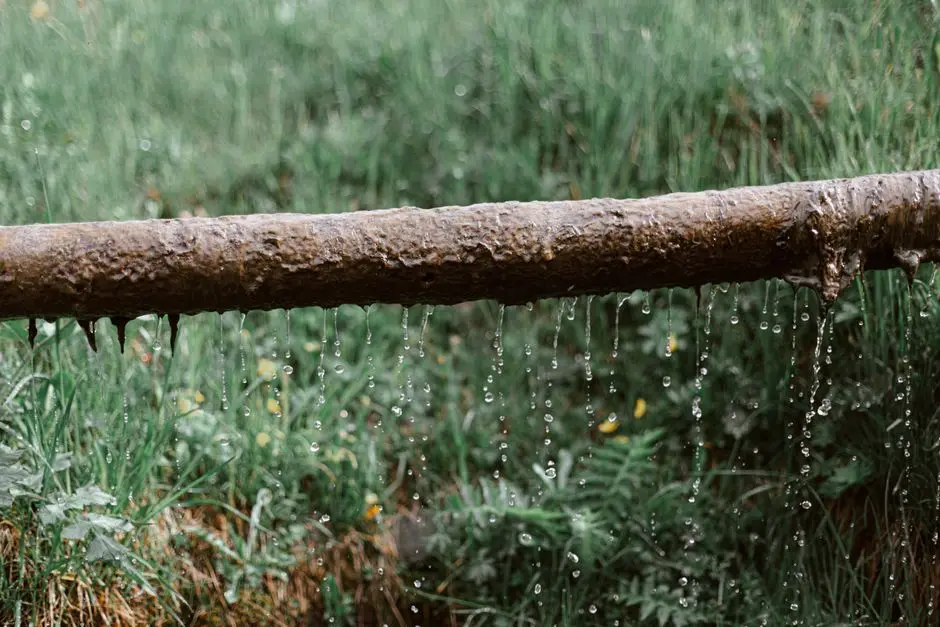
Frozen pipe water removal in Idaho is the process of extracting water from a burst or split pipe, drying the structure, and stopping further damage - usually within the first 24 to 48 hours. Expect a crew on site within 60 to 90 minutes of your call, extraction finished the same day, and structural drying to run three to five days depending on how much water soaked into walls and subfloor. What follows is what that week actually looks like, what it costs in 2026, and how to keep it from happening again.
What frozen pipe water removal in Idaho actually involves
Frozen pipe water removal in Idaho is an emergency water extraction and structural drying service that starts the moment a frozen line splits and releases water into your home. It is not just shop-vac work. Water from a burst pipe travels sideways through drywall, down through floor joists, and into crawl spaces where you will never see it.
Here is the sequence we run on almost every winter call:
- Shut off and stabilize. We confirm the main is closed and the pipe has stopped feeding water. If the split is still pressurized, nothing else matters yet.
- Locate the full extent. Thermal imaging and moisture meters tell us how far the water spread - often 6 to 10 feet past the visible wet spot.
- Extract standing water. Truck-mounted and portable units pull water out of carpet, pad, hardwood, and concrete. A typical bedroom holds 30 to 60 gallons after a burst line.
- Remove unsalvageable material. Saturated drywall, insulation, and pad come out. Wet insulation does not dry in place - it molds.
- Dry the structure. Air movers and dehumidifiers run 3 to 5 days. We monitor moisture readings daily and adjust until the framing is back to its dry standard.
- Document everything. Photos, moisture logs, and a written scope go to you and your adjuster.
That last step matters more than people expect. A claim without moisture documentation is a claim the adjuster can shrink. We handle Frozen Pipe Water Removal in Idaho with the paperwork built in, because the insurance side is half the job.
Why Idaho pipes freeze so fast - and where
Idaho pipes freeze because our winter air gets cold enough to drop pipe-wall temperatures below 32°F within hours, and Treasure Valley nights routinely hit single digits from December through February. Add wind chill and an unheated crawl space, and a copper line can freeze solid overnight.
The pipes that burst most often in our service area:
- Exterior wall runs - kitchen sinks and bathroom vanities on north-facing walls.
- Crawl space and rim joist lines - common in older Nampa and Caldwell homes with vented foundations.
- Hose bibs and irrigation stubs - the number one source of first-freeze calls.
- Garage-adjacent plumbing - water heaters and utility sinks in uninsulated garages.
- Attic runs - less common here, but a real problem in newer two-story builds with shallow insulation.
We see the same pattern every January in the older housing stock around Water Removal in Nampa, where 1950s-era homes have plumbing in exterior walls that were never designed for a week of single-digit nights. If your home was built before 1980, assume your pipes are more exposed than you think.
What to do when a frozen pipe bursts in Idaho
When a frozen pipe bursts in Idaho, shut off the main water valve first, then kill power to any wet rooms, then call for water removal. Do those three things in that order and you cut the damage roughly in half.
The full sequence:
- Shut off the main. Usually in the basement, crawl space, or a utility closet near the water heater.
- Kill the power to affected rooms at the breaker. Water and live outlets do not mix.
- Open a low faucet to drain remaining pressure from the lines.
- Document with your phone. Wide shots of each room, close-ups of the split, and a photo of any damaged belongings before you move them.
- Call for extraction. Every hour you wait, water wicks further into drywall and framing.
Do not run a shop vac on a ceiling leak and call it done. The water above the ceiling is the water that causes the mold. If the burst happened in a finished lower level, you are looking at Basement Water Removal in Idaho territory, not a towel-and-fan job.
How much does frozen pipe water removal cost in Idaho?
Typical 2026 pricing for frozen pipe water removal in Idaho runs $1,200 to $3,500 for a single-room burst, and $4,000 to $9,000 or more when water reaches multiple rooms, a finished basement, or a crawl space. The pipe repair itself is usually a separate line item - $250 to $900 depending on access and material.
What drives the number up:
- Category of water. Clean supply-line water is cheapest. Sewage or gray water changes the job entirely.
- Square footage affected. One bedroom versus a whole main floor.
- Material. Carpet and pad come out fast. Hardwood and tile take longer to dry and may need refinishing.
- Hidden water. Crawl spaces and wall cavities add labor and equipment.
- After-hours timing. Most Idaho companies charge an emergency premium for calls between 10 p.m. and 6 a.m.
We give you the extraction and drying price before we start, so there is no surprise on the invoice. The pipe repair is quoted separately once we see the split.
Does insurance cover frozen pipe damage in Idaho?
Yes - most Idaho homeowner policies cover the water damage from a sudden frozen pipe burst, but they usually do not cover the pipe repair itself. That distinction surprises people. The split copper is considered maintenance; the soaked drywall and ruined flooring are the covered loss.
Two conditions almost every policy enforces:
- You took reasonable steps to prevent the freeze. If the home was vacant and unheated for weeks, the claim can be denied.
- You mitigated the damage. Once you knew about the leak, you had to act. Waiting three days to call weakens the claim.
Our documentation package - moisture readings, thermal images, daily drying logs - is built to survive adjuster review. If you are filing a claim, tell us on the first call and we will photograph and log accordingly.
How to prevent frozen pipes in Idaho winter
You prevent frozen pipes in Idaho winter by keeping pipe-wall temperatures above 32°F - insulation, heat tape, and a drip are the three tools that do it. Nothing else is as effective.
What we tell every customer before the first hard freeze:
- Disconnect every hose. A hose left on a hose bib traps water in the stub and splits it on the first 15°F night.
- Insulate exposed runs. Foam pipe sleeves on every line in the crawl space, garage, and rim joist area. Cheap, fast, effective.
- Add heat tape to problem lines. Self-regulating heat cable on the worst exterior-wall runs, plugged in before the freeze, not after.
- Let one faucet drip. A pencil-thin stream on the farthest fixture from the main keeps water moving and relieves pressure.
- Open cabinet doors. Under-sink cabinets on exterior walls - leave them open during cold snaps so warm room air reaches the pipes.
- Keep the heat at 60°F minimum. Even when you travel. Especially when you travel.
- Seal crawl space vents and rim joists. Cold air blowing across a pipe is what freezes it, not the ambient temperature alone.
If you have already had one freeze this season, you will have another. The line is weaker and the conditions that froze it have not changed. That is the point where a permanent fix - rerouting or properly insulating the run - pays for itself in one winter.
Common mistakes we see after a winter pipe burst
The most expensive mistake after a winter pipe burst is drying the visible water and stopping. The water you cannot see is the water that costs you a mold remediation bill in March.
The others, in order of how often we see them:
- Thawing with an open flame. A torch on a frozen pipe is how house fires start. Use a hair dryer, heat gun on low, or call us.
- Running the HVAC and calling it drying. Household air does not pull water out of subfloor. You need dehumidifiers and directed airflow.
- Waiting for the adjuster before extracting. The adjuster documents the loss; they do not stop it. Extract first, document as you go.
- Trashing wet belongings. Photograph first. Many items are restorable, and the adjuster needs the evidence.
- Ignoring the crawl space. Water from a first-floor burst pools down there. If you do not check, you will not know until the smell starts.
We handle Crawl Space Water Removal in Idaho on a large share of our winter calls, because that is where the water ends up and where most homeowners never look.
When to call a professional
Call a professional the moment water has reached drywall, carpet pad, or a crawl space - or the moment you cannot find the source. Those are the two conditions where DIY turns into a mold problem.
Specifically, call us if:
- Water has been sitting more than 24 hours.
- The wet area is larger than a few square feet.
- You smell that musty, damp-cardboard odor.
- The burst is behind a wall or under a slab.
- You are filing an insurance claim and need documentation.
ID Water Remover Pros handles the extraction, the drying, and the paperwork in one visit. We also coordinate the pipe repair so you are not juggling two contractors in the middle of a freeze.
Frequently Asked Questions
What should I expect from frozen pipe water removal in Idaho?
Expect a crew on site within 60 to 90 minutes, extraction finished the same day, and structural drying running 3 to 5 days with daily moisture checks. You will get photos, moisture logs, and a written scope for your insurance claim before we leave.
How do I prevent frozen pipes in Idaho winter?
Disconnect hoses, insulate every exposed pipe in crawl spaces and garages, add heat tape to problem runs, and let one faucet drip during single-digit nights. Keep the thermostat at 60°F or higher even when you travel.
Who do I call for frozen pipe water removal in Idaho?
Call a licensed water removal company that handles both extraction and structural drying - not just a plumber. Plumbers fix the pipe; they do not dry the house. ID Water Remover Pros does both and documents the loss for your adjuster.
Does insurance cover frozen pipe damage in Idaho?
Usually yes for the water damage, usually no for the pipe repair itself. Most policies require that you heated the home and acted quickly once you knew about the leak. Our documentation package is built for adjuster review.
How much does frozen pipe water removal cost in Idaho?
Typical 2026 pricing is $1,200 to $3,500 for a single-room burst and $4,000 to $9,000 or more for multi-room or finished-basement losses. Pipe repair is quoted separately, usually $250 to $900.
Get help with Water Removal in Idaho
If a pipe has already split, every hour you wait pushes water further into the structure. We run 24/7 through the Idaho winter and we can be on site the same night you call.
Call ID Water Remover Pros at (833) 640-1438 and we will get the water out, dry the house, and hand you the documentation your insurance company needs.