How to remove standing water from your crawl space
Standing water in your crawl space needs to come out fast. Here's how Idaho homeowners can pump, dry, and prevent crawl space flooding before it spreads.
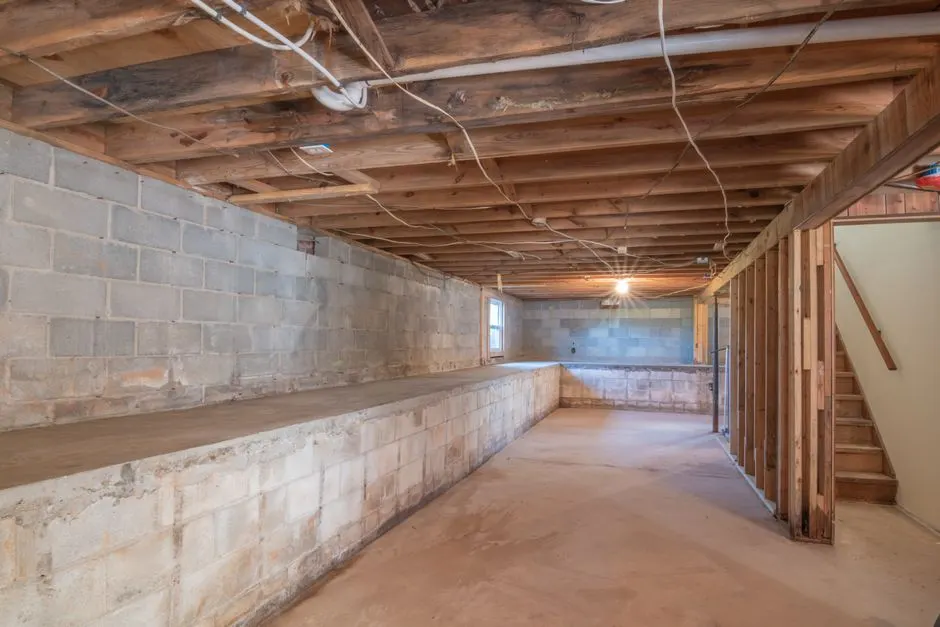
Standing water in your crawl space is removed by stopping the water source, pumping out the water, and then drying the space with airflow and dehumidification. If the water is deeper than a few inches or has been sitting for more than 24 hours, call a professional extraction crew before you step inside. This guide walks you through the safe DIY steps, the drying timeline, and the warning signs that mean you need Water Removal in Idaho from a trained team.
Why standing water in your crawl space is a serious problem
Standing water in a crawl space is a structural and health hazard that starts damaging your home within hours. The water wicks into floor joists, subfloor, and insulation, and it feeds mold that can spread through the living space above.
In Idaho, crawl space flooding often follows snowmelt in March and April, heavy rain in May and June, or a burst pipe during a January cold snap. We see it most in older homes around Water Removal in Boise where original foundation drains have silted shut after decades of service.
Three things happen fast once water sits:
- Wood rot begins in as little as 48 hours, weakening joists and subfloor.
- Mold growth starts within 24 to 48 hours in humid conditions.
- Musty odors rise into your living room and bedrooms, and they get worse over time.
If the water came from a sewage backup or a storm surge that pushed groundwater in, treat it as contaminated and do not enter without protective gear. That is a job for Sewage Water Removal in Idaho or Storm Water Removal in Idaho specialists.
How do I remove standing water from my crawl space in Idaho?
You remove standing water from a crawl space in Idaho by shutting off the water source, pumping the water out with a submersible pump or wet vac, and then running fans and a dehumidifier until the wood moisture content drops below 16%. Most shallow pools under 2 inches can be handled with a shop vac and a few days of airflow. Deeper water or water that has soaked into insulation needs professional extraction.
Before you do anything, check for electrical hazards. If the water is near a junction box, outlet, or your furnace, kill power to the crawl space at the breaker panel. Water and live wiring are a lethal combination.
Here is the order we follow on every job:
- Stop the source - shut off the main water valve if a pipe is leaking, or wait for rain to stop if it is surface water.
- Test the depth with a broom handle or a long stick. Anything over 4 inches is a call-a-pro situation.
- Set up a submersible pump in the lowest spot and run the discharge hose at least 10 feet away from the foundation.
- Once the bulk water is gone, use a wet/dry vac on the remaining puddles and damp debris.
- Remove any soaked insulation, cardboard, or stored items. Bag and discard them.
- Run box fans and a refrigerant dehumidifier for 3 to 5 days, checking wood moisture daily.
If the water is coming from a broken pipe, you may also need Burst Pipe Water Removal in Idaho to handle the hidden moisture inside wall cavities and under the subfloor.
Step-by-step: removing and drying standing water
Removing and drying standing water in a crawl space takes 3 to 5 days for shallow water and 5 to 10 days for deeper flooding. The exact timeline depends on how much water soaked into wood, insulation, and soil.
Pumping and extraction
A 1/3-horsepower submersible pump moves about 30 to 40 gallons per minute, which clears a 2-inch pool in a 1,000-square-foot crawl space in roughly 30 to 45 minutes. For smaller puddles, a 6-gallon wet/dry vac works fine - expect to make 15 to 20 trips for a 100-square-foot area.
Drying the space
You need two things: airflow and dehumidification. A single box fan is not enough. We run one fan per 300 square feet and a 70-pint dehumidifier for every 1,200 square feet. Keep the crawl space access open so humid air can escape, and run the system continuously for at least 72 hours.
Check wood moisture with a pin meter. You want subfloor and joists below 16% before you call it dry. Above 20% and you are still feeding mold.
Cleaning and sanitizing
Once dry, spray exposed framing with an antimicrobial and let it dry completely. If you see white or black fuzzy growth on joists, that is mold - and it needs to be removed, not just sprayed. That is when we bring in Crawl Space Water Removal in Idaho equipment and trained technicians.
How long does it take to dry a crawl space in Idaho?
A crawl space in Idaho typically dries in 3 to 5 days with proper airflow and dehumidification, or 5 to 10 days if the wood and insulation are deeply saturated. Idaho's dry summers help, but our cold, wet springs and fall rain events can stretch the timeline.
Three factors drive the timeline:
- Water depth and duration - water sitting for a week soaks deeper than water sitting for a day.
- Ventilation - sealed crawl spaces dry slower without mechanical air movement.
- Outdoor humidity - drying in July is faster than drying in November.
If you are drying in late fall or winter, expect the upper end of that range. We often see 7 to 10 days in unheated crawl spaces during a cold snap.
Common mistakes to avoid
The biggest mistake homeowners make is assuming the water will evaporate on its own. It will not - not in a closed crawl space with no airflow. Here are the others we see most often:
- Skipping the moisture meter. If you do not measure, you do not know when it is actually dry. Wood that feels dry can still be at 22% moisture.
- Running a fan without a dehumidifier. Fans move humid air around; they do not remove it. You need both.
- Leaving soaked insulation in place. Wet fiberglass and cellulose hold water against wood and accelerate rot. Pull it out.
- Ignoring the source. If you pump the water but never fix the grading, downspout, or pipe that caused it, it will be back with the next storm.
- Entering without PPE. Crawl spaces can have sewage, mold spores, and live wiring. Wear boots, gloves, and a respirator.
One more: do not use a shop vac on water deeper than the vac's capacity without checking the float shutoff. You will flood the motor and ruin the vac.
How to prevent crawl space flooding in Idaho
Preventing crawl space flooding in Idaho comes down to moving water away from the foundation and keeping the space dry year-round. Most of the fixes are inexpensive and take a weekend.
Start outside:
- Grade soil so it slopes away from the foundation at a 6-inch drop over 10 feet.
- Extend downspouts at least 6 feet from the house.
- Clean gutters twice a year - once in late fall after leaves drop, once in early spring.
- Check that your sump pump discharges far enough away and test it before spring snowmelt.
Inside, install a vapor barrier if you do not have one. A 6-mil or 10-mil polyethylene liner over the soil cuts ground moisture dramatically. If your crawl space has a sump pit, test the pump every 3 months by pouring a bucket of water into the pit and watching it cycle.
If your sump pump fails during a storm, that is a different problem - see Sump Pump Failure Water Removal in Idaho for what to do next.
When to call a professional
Call a professional when the water is deeper than 4 inches, when it has been standing more than 24 hours, when it smells like sewage, or when you see mold on the joists. Those are the situations where DIY drying usually fails and the damage gets worse.
Our team at ID Water Remover Pros handles crawl space water extraction, structural drying, and antimicrobial treatment across the Treasure Valley and beyond. We bring truck-mounted extraction units, commercial dehumidifiers, and moisture meters - the same equipment we use on Standing Water Removal in Idaho jobs every week.
If you are in Nampa, Meridian, or anywhere in between, we can be on-site the same day in most cases. We give you a flat price before we start, and we do not leave until the moisture readings say the space is dry.
Frequently Asked Questions
How do I remove standing water from my crawl space in Idaho?
Shut off the water source, pump the water out with a submersible pump or wet/dry vac, then run fans and a dehumidifier for 3 to 5 days. If the water is deeper than 4 inches or has been sitting more than 24 hours, call a professional extraction crew.
Who does crawl space water extraction in Idaho?
ID Water Remover Pros provides crawl space water extraction across Idaho, including Boise, Nampa, Meridian, Caldwell, and surrounding areas. We handle pumping, drying, mold treatment, and repairs. Call (833) 640-1438 for same-day service.
How much does crawl space water removal cost in Idaho?
Typical 2026 pricing for crawl space water removal in Idaho runs $500 to $1,500 for shallow water under 2 inches, and $1,500 to $4,000 for deeper flooding with mold treatment. Cost depends on water volume, square footage, and whether insulation or ductwork needs replacement.
Is standing water in crawl space dangerous in Idaho?
Yes. Standing water in a crawl space causes wood rot within 48 hours, mold growth within 24 to 48 hours, and can compromise your foundation. It also attracts pests and can release sewer gases if the source is a backup. Treat it as an urgent problem.
How long does it take to dry a crawl space in Idaho?
Most crawl spaces dry in 3 to 5 days with proper airflow and dehumidification. Deeply saturated wood or cold-weather drying can take 7 to 10 days. We use moisture meters to confirm the space is actually dry before we finish.
Get help with Water Removal in Idaho
Standing water in your crawl space will not fix itself, and every day you wait, the repair bill grows. Call ID Water Remover Pros at (833) 640-1438 for fast, professional crawl space water extraction in Idaho.