How to Shut Off Your Water Main Before a Leak Floods Your House
A burst supply line can dump 10 gallons a minute into your home. Here is exactly where your Idaho shutoff valve is and how to kill the water fast.
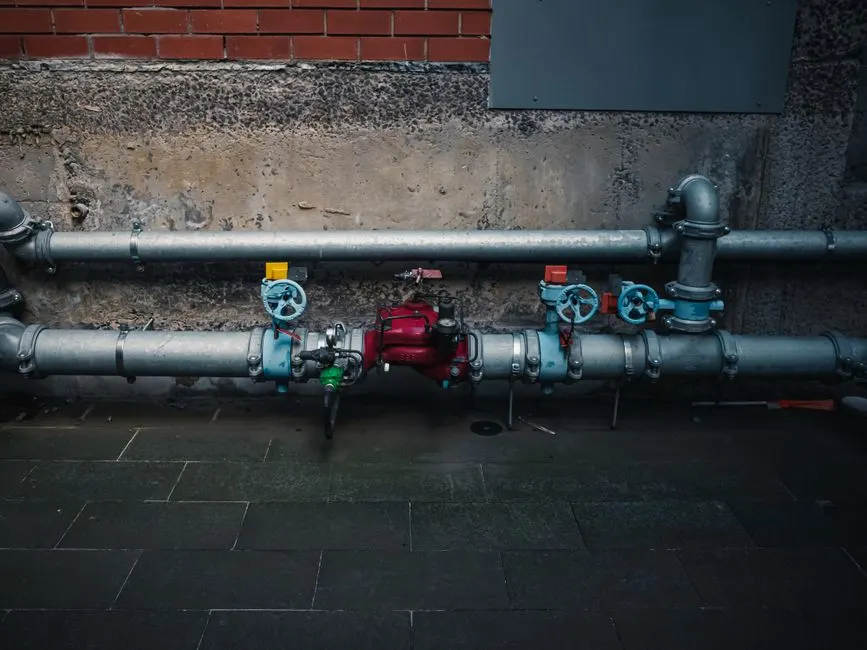
Shut off your water main by turning the valve clockwise until it stops - a quarter turn on a ball valve, two to five full turns on an older gate valve. On a standard 3/4-inch supply line at 60 PSI, that stops roughly 10 to 12 gallons per minute from pouring into your floors, which is the difference between a shop vac job and a full tear-out.
We are ID Water Remover Pros, and we have pumped water out of hundreds of Treasure Valley homes. Most of the damage we see was not caused by the pipe. It was caused by the 20 minutes the homeowner spent looking for the valve. Here is how to find yours, work it, and know when to stop trying and call us.
Find Your Shutoff Valve Before You Need It
Every home in Idaho has at least two shutoff points: the main valve inside the house and the curb-stop valve at the meter near the street. The inside valve is the one you want in an emergency, because you can reach it in socks at 2 a.m. without a meter key or a call to the city water department.
Walk your house this week and locate it. Common spots in Idaho homes:
- Basement or crawl space on the wall facing the street, usually within 3 feet of where the supply line enters the foundation.
- Utility room or mechanical closet next to the water heater, often behind a removable panel.
- Under the kitchen sink in some slab-on-grade homes built after 1990, where the main enters through the cabinet base.
- Garage wall in newer Meridian and Kuna builds, where the line comes in through the slab and runs up the interior wall.
Tag it. A $3 plastic tag from any hardware store saves you the panic. If you cannot find the inside valve in 10 minutes, call a plumber and have one installed - it is a 1 to 2 hour job and typically runs $150 to $400 in 2026 pricing.
If you are already dealing with water on the floor and need it gone, our team handles Water Removal in Idaho around the clock.
How Do I Shut Off My Water Main in Idaho?
Turn the valve handle clockwise - righty-tighty - until it will not move any further. That is the whole answer. The details below are what separate a clean shutoff from a broken valve stem and a worse leak.
- Kill the water heater first if it is gas. Turn the gas control to Pilot or Off. A drained tank with a live burner cracks the tank.
- Grip the handle, not the pipe. Use your hand or a pair of channel-locks on the flat sides of the handle. Never put a pipe wrench on the valve body.
- Turn clockwise, steadily. Ball valve: quarter turn, done. Gate valve: two to five full turns, and it will feel stiff the whole way.
- Open the lowest faucet in the house. A basement sink or hose bib. This drains the lines and confirms the water is actually off.
- Check the meter. If the little triangle or low-flow indicator on your city meter is still spinning, water is still moving somewhere.
If the valve will not budge, do not force it with a cheater bar. Old gate valves in 1970s Boise and Nampa homes seize after 30 or 40 years, and snapping the stem turns a $200 repair into a $2,000 one. Go to the curb stop instead.
Where Is the Water Shutoff Valve in My Idaho Home?
The outside shutoff in Idaho sits in a concrete or plastic meter box near the sidewalk or property line, usually 12 to 18 inches deep. You need a meter key - a T-handle wrench about 5 feet long - to reach it. Most cities in the Treasure Valley will shut it off for you if you call, but that can take 30 to 90 minutes after hours.
Buy a meter key now. They cost $15 to $25 at any Idaho hardware store and hang on a nail in your garage until the day you need them. Turning the curb stop clockwise shuts off everything between the meter and the house.
One caution: the curb stop is city property in most Idaho municipalities. If it is stuck or leaking, call the water department. Do not dig it up.
Gate Valve, Ball Valve, or Meter Key: What You Are Turning
A ball valve has a lever handle that sits flat against the pipe when open and perpendicular when closed. A gate valve has a round or oval wheel and takes multiple turns. Knowing which one you have tells you how much force is normal.
Ball valve: 90 degrees of travel, no more. If it stops early, it is closed. If it spins past 90 degrees, the handle is stripped and you need a plumber.
Gate valve: two to five turns. Resistance is normal. Grinding or a sudden loss of resistance is not - stop and call someone.
If you have a gate valve older than 25 years, replace it with a ball valve before it fails. A proactive swap runs $250 to $500 in 2026 and takes a plumber about an hour. That is cheap compared to a burst line at 3 a.m. in January.
We see the aftermath of failed valves constantly across the valley, especially on Water Removal in Boise calls in the older North End and Depot Bench neighborhoods where original 1940s and 1950s plumbing is still in the wall.
What to Do in the First 10 Minutes After a Leak Starts
Shut the water off first, then worry about everything else. Water damage is a function of time - mold can start colonizing wet drywall in 24 to 48 hours, but structural damage from saturation happens in the first hour.
- Shut the main. Clockwise, all the way.
- Kill power to any wet area. If water is near outlets or a panel, flip the breaker from a dry spot or call an electrician. Never stand in standing water and touch a panel.
- Open low faucets to drain the lines.
- Photograph everything before you move a single item. Your insurance adjuster will want it.
- Start extracting. A wet/dry shop vac pulls about 5 to 8 gallons before it needs emptying. Towels and a squeegee move the rest.
- Get air moving. Box fans and a dehumidifier. Open windows only if it is not raining or below freezing.
- Pull up wet carpet and pad. Pad almost never dries in place. Carpet can sometimes be saved if you get to it in under 24 hours.
If the water came from a burst supply line, that is a specific problem with a specific fix - see our page on Burst Pipe Water Removal in Idaho for what the drying process actually looks like.
Common Mistakes That Turn a Small Leak Into a Flood
The most expensive mistake is waiting. Homeowners call us four hours after a leak because they were "not sure it was that bad." By then, water has wicked up 12 to 18 inches into drywall and traveled 20 feet along a floor joist.
Other mistakes we see on nearly every job:
- Turning the valve the wrong way. Clockwise closes. Counterclockwise opens. Sounds obvious until you are panicking at midnight.
- Forcing a stuck gate valve. You break the stem, and now the valve is stuck open with water pouring out.
- Shutting off the main but not the water heater. A gas burner under a drained tank cracks it. That is a $1,200 to $2,500 replacement.
- Skipping the curb stop. If the inside valve fails, the outside one is your backup. Know where it is.
- Running a household fan and calling it drying. A box fan moves air. It does not remove moisture. You need a dehumidifier and, for anything beyond a small spill, professional extraction.
- Not calling insurance within 24 hours. Most policies require prompt notice. Delays get claims denied.
For a full breakdown of what professional drying involves, our Water Removal in Meridian page walks through the equipment and timeline we use on a typical job.
Idaho Winter: Why Most Bursts Happen Between December and March
Frozen pipes cause more Idaho water damage than any other single source, and the burst almost always happens on the thaw, not the freeze. Water expands as it turns to ice, splits the copper or PEX, and then pours out when temperatures climb back above 32°F.
The pipes most likely to freeze in a Treasure Valley home:
- Supply lines in an unheated crawl space, especially on the north side of the house.
- Hose bibs and the pipe stub feeding them.
- Lines running through an attached garage wall.
- Any pipe within 6 inches of an exterior wall with poor insulation.
Prevention is cheap. Disconnect hoses before the first hard freeze, insulate exposed crawl space lines with foam sleeves, and let a pencil-thin stream drip from the farthest faucet on nights below 20°F. If you leave town for the holidays, shut the main off and drain the system.
When a frozen line does let go, the cleanup is different from a simple spill - see our Frozen Pipe Water Removal in Idaho page for how we handle it.
When to Call a Professional
Call us when the water has spread beyond one room, when it has soaked into carpet, drywall, or a subfloor, or when you can smell that musty, wet-cardboard odor that means mold is already starting. Those are the three lines where DIY extraction stops working.
Also call if the water is Category 2 or Category 3 - anything from a washing machine drain, dishwasher, toilet overflow with waste, or sewage backup. That water carries bacteria and needs proper containment and disposal, not a shop vac and a fan.
Our team handles Standing Water Removal in Idaho with truck-mounted extraction, commercial air movers, and refrigerant dehumidifiers. We extract, dry, and monitor moisture until the readings match a dry standard - usually 3 to 5 days for a moderate loss.
Frequently Asked Questions
How do I shut off my water main in Idaho?
Turn the inside main valve clockwise until it stops - a quarter turn for a ball valve, two to five turns for a gate valve. If it will not close, use a meter key on the curb stop near the street. Then open a low faucet to drain the lines.
Where is the water shutoff valve in my Idaho home?
Most Idaho homes have the main valve in the basement or crawl space on the street-facing wall, or in the utility room near the water heater. Newer slab-on-grade homes sometimes have it under the kitchen sink or on the garage wall. The outside curb stop sits in a meter box near the sidewalk.
What to do if a leak floods my house in Idaho?
Shut the main off first, then kill power to wet areas and photograph everything for insurance. Start extracting water with a shop vac and fans, and call a water removal company within the first hour. Mold can begin in 24 to 48 hours.
Who do I call for water removal in Idaho?
Call a licensed water damage restoration company that offers 24/7 emergency response. ID Water Remover Pros handles extraction, structural drying, and moisture monitoring across the Treasure Valley and North Idaho. We bill most insurance carriers directly.
How much does emergency water removal cost in Idaho?
Typical 2026 pricing runs $1,200 to $3,500 for a single-room loss, and $4,000 to $10,000 or more for a flooded basement or multi-room event. Most homeowner policies cover the removal and drying. We provide a written scope before work begins.
Get Help with Water Removal in Idaho
If your floor is wet right now, stop reading and call us. We answer 24/7, we dispatch across the Treasure Valley and North Idaho, and we start extracting the same day.
Call ID Water Remover Pros at (833) 640-1438.