Spring snowmelt flooding in Idaho: how to protect your home
Idaho's spring snowmelt sends thousands of gallons toward foundations and basements. Here's how to protect your home, spot trouble early, and handle cleanup costs.
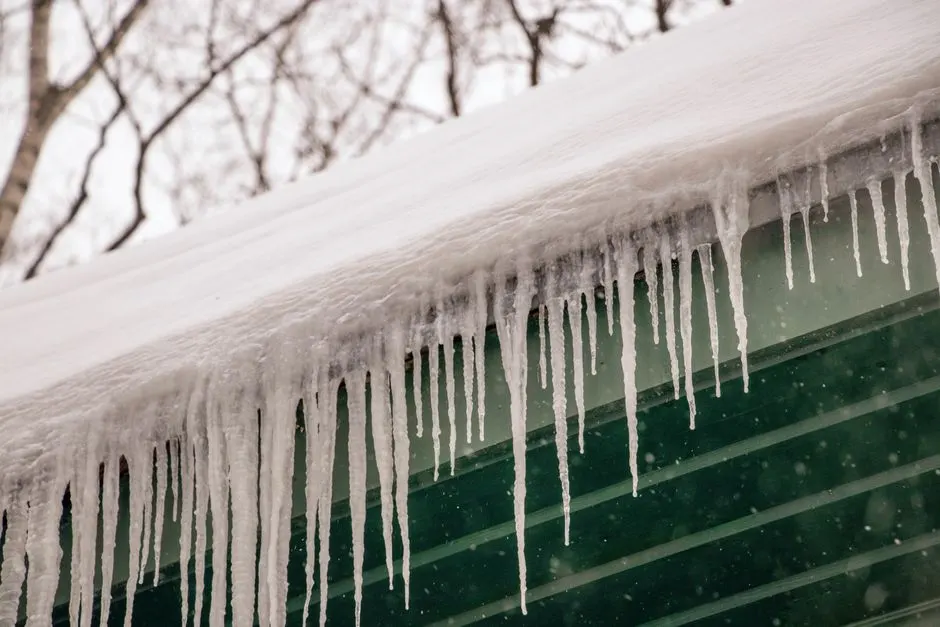
Spring snowmelt flooding in Idaho happens when accumulated mountain snowpack melts faster than the ground and storm drains can absorb it, sending water into basements, crawl spaces, and foundations. The fix is a combination of grading, drainage maintenance, sump pump readiness, and fast water removal when prevention fails. This guide covers why snowmelt hits Treasure Valley and North Idaho homes so hard, what you can do before the thaw, and what cleanup actually costs in 2026.
Why Spring Snowmelt Flooding Happens in Idaho
Idaho's snowpack is a reservoir that releases on its own schedule. When a warm rain falls on ripe snow in late February or March, the melt rate can jump from a trickle to several inches of water per day across a single watershed.
Three conditions turn that into a flooded basement:
- Frozen or saturated ground. Frost depth in the Boise foothills can hold at 12 to 18 inches into March. Water can't soak in, so it runs along the surface toward the lowest point - usually your foundation.
- Frozen soil above the drain field. Septic systems and weeping tiles stay locked up longer than the snow on your lawn.
- Clogged or undersized storm infrastructure. Older neighborhoods in Caldwell, Nampa, and Garden City still have storm lines sized for a smaller city.
We see the same pattern every year: a 48-hour warm spell in early March, a burst of calls, and basements from Meridian to Coeur d'Alene taking on 2 to 6 inches of water overnight. If you live near the Boise River, the Payette, or any of the foothill drainages, your risk window runs from late February through mid-April.
How Do I Protect My Home from Spring Snowmelt Flooding in Idaho?
You protect your home from spring snowmelt flooding in Idaho by moving water away from the foundation before the thaw starts, keeping every drainage path clear, and having a working sump pump with a backup power source. Do the work in January and February - once the ground is saturated, your options shrink fast.
Here's the checklist we walk homeowners through every winter:
- Shovel snow away from the foundation. Push it at least 3 to 5 feet back from the walls. A snowbank against the house is a slow-release water source aimed straight at your basement.
- Clear gutters and downspouts. Ice dams and leaf debris send roof melt down the siding instead of into the yard. Extend every downspout 4 to 6 feet from the foundation.
- Check the grade. Soil should slope away from the house at roughly 6 inches over the first 10 feet. If it's flat or sloping back, add compacted fill before the ground freezes.
- Test the sump pump. Pour a bucket of water into the pit and confirm the float trips and the discharge line is clear. A pump that hasn't run since last spring is a coin flip.
- Inspect the crawl space vapor barrier. Torn poly and missing seams let ground moisture wick into joists and insulation.
- Clear window wells and area drains. A full window well is a direct path to a flooded basement window.
If you're in an older home with a stone or block foundation, budget extra attention. Those walls weep under hydrostatic pressure even when everything above grade looks fine. That's why we treat Basement Water Removal in Idaho as both an emergency service and a preventive one - a dry basement in March usually means a dry basement all spring.
Warning Signs That Snowmelt Is Already Getting In
Snowmelt water damage in Idaho rarely announces itself with a foot of standing water. It starts small and quiet, and by the time it's obvious, you're usually looking at mold remediation on top of extraction.
Watch for these signals during the first warm week of the year:
- A musty smell in the basement or crawl space that wasn't there in December.
- White, chalky efflorescence on concrete walls - a sign of water moving through the slab.
- Paint bubbling or peeling at the base of a wall.
- Soft or spongy spots in carpet near the foundation.
- Warped baseboards or a floor that squeaks differently than it did last month.
- A sump pit that's running every 10 to 15 minutes instead of once or twice a day.
If you catch any of these early, a wet-dry vacuum and a box fan won't cut it. Water has already moved into the wall cavity and the subfloor. That's when you want a professional assessment rather than a wait-and-see approach.
What Snowmelt Water Damage Looks Like Inside Your Home
Water that enters through a foundation wall behaves differently than water from a burst pipe. It's dirty, it's cold, and it keeps coming until the snowpack is gone - sometimes for weeks.
The damage profile we see most often in Idaho homes:
- Finished basements. Carpet, pad, and drywall wick water 12 to 18 inches up the wall in under 24 hours. Mold can start colonizing in 48 to 72 hours.
- Crawl spaces. Insulation batts sag and lose R-value permanently. Floor joists stay damp for weeks without mechanical drying.
- Furnaces and water heaters. A flooded mechanical room can total both appliances if water reaches the burner compartment.
- Electrical panels and outlets. Any water at panel height is a call-the-electrician-first situation, not a shop-vac situation.
We handle the full range - from Standing Water Removal in Idaho in a flooded utility room to Crawl Space Water Removal in Idaho where the water is hidden under the house and the homeowner never sees it until the floors start to cup.
Common Mistakes Homeowners Make During Spring Flooding in Idaho
The most expensive mistakes happen in the first 24 hours, before anyone calls for help. Here's what we see on job sites across the Treasure Valley.
- Waiting for the water to recede on its own. Snowmelt doesn't stop until the snow is gone. In a heavy year, that's two to three weeks of continuous seepage.
- Running a shop vac and calling it done. A wet-dry vac pulls surface water. It doesn't dry the wall cavity, the subfloor, or the sill plate.
- Turning up the heat and closing the windows. Warm, humid air without ventilation feeds mold instead of drying the structure.
- Stacking wet items in the garage. Cardboard, fabric, and paper wick moisture and become mold reservoirs.
- Skipping the sump pump backup. Spring storms knock out power. A pump without a battery backup is a pump that quits when you need it most.
- Ignoring the crawl space. Out of sight, out of mind - until the hardwood above starts to buckle.
One more: don't assume your homeowner's policy will cover the cleanup. We'll get to that next.
Does Insurance Cover Snowmelt Flooding in Idaho?
Standard homeowner's insurance in Idaho typically does not cover snowmelt flooding that enters from the ground - that's considered flood damage and requires a separate NFIP or private flood policy. It usually does cover sudden internal failures, like a burst pipe or a failed water heater supply line, even if the trigger was a freeze.
The distinction matters because the two events often happen together. A frozen pipe thaws, bursts, and floods the basement - that's typically a covered claim. Groundwater seeps through the foundation wall the same week - that's typically not.
What to do before you call the adjuster:
- Photograph the water line on walls and any damaged contents before you move anything.
- Save the sump pump, the failed pipe section, or whatever component failed - adjusters want to see it.
- Keep receipts for hotel stays, fans, dehumidifiers, and any emergency purchases.
- Document the source. "Water came up through the floor drain" and "water came in through the window well" are handled differently.
We provide itemized documentation for every job - moisture readings, affected square footage, and equipment logs - so your claim moves faster. If your damage traces back to a frozen line, our Frozen Pipe Water Removal in Idaho team handles the extraction and drying side while you work the claim.
What Snowmelt Water Removal Costs in Idaho
Typical 2026 pricing for snowmelt water removal in Idaho runs $1,200 to $3,500 for a single-family home, depending on how much water entered, how far it spread, and whether the space is finished.
Realistic ranges we quote:
- Small area (under 200 sq ft, unfinished): $1,200 to $1,800. Extraction plus 2 to 3 days of drying.
- Finished basement (500 to 800 sq ft): $2,500 to $4,500. Includes carpet and pad removal, baseboard removal, and 3 to 5 days of drying.
- Crawl space (1,000 to 1,500 sq ft): $1,800 to $3,200. Includes debris removal, extraction, and vapor barrier assessment.
- Category 3 water (sewage backup or contaminated groundwater): add 30 to 50 percent for antimicrobial treatment and disposal.
Mold remediation, if it's needed, adds $1,500 to $6,000 depending on the affected area. Structural repairs - replacing subfloor, drywall, or framing - are separate and usually handled by a general contractor after we finish drying.
Emergency calls after hours or on weekends typically carry a $150 to $300 premium. We quote the job before we start, so you know the number before any equipment comes off the truck.
When to Call a Professional
Call a professional the moment water reaches a finished surface, a wall cavity, or anything electrical. Those three conditions put the job past what a homeowner can safely and effectively handle.
Specifically, call us if:
- Water is more than a quarter-inch deep across more than 10 square feet.
- The water is gray or black, or smells like sewage.
- Any outlet, panel, or appliance is wet.
- The affected area has been wet for more than 24 hours.
- You see or smell mold.
- Your sump pump has failed or can't keep up.
ID Water Remover Pros responds to snowmelt emergencies throughout the Treasure Valley and North Idaho. We extract the water, set drying equipment, monitor moisture daily, and tell you honestly when the structure is dry - not when it looks dry.
Frequently Asked Questions
How do I protect my home from spring snowmelt flooding in Idaho?
Shovel snow 3 to 5 feet back from the foundation, extend downspouts 4 to 6 feet from the house, confirm the grade slopes away at 6 inches over 10 feet, and test your sump pump with a bucket of water before the thaw. Do this in January or February - once the ground is saturated, prevention options shrink.
Who does snowmelt water removal in Idaho?
ID Water Remover Pros handles snowmelt water removal across the Treasure Valley and North Idaho, including Boise, Meridian, Nampa, Caldwell, and Coeur d'Alene. We extract standing water, dry the structure, and document everything for your insurance claim. Call (833) 640-1438 for emergency service.
Does insurance cover snowmelt flooding in Idaho?
Usually not. Groundwater entering from snowmelt is classified as flood damage and requires a separate NFIP or private flood policy. Standard homeowner's insurance typically covers sudden internal failures like a burst pipe, even when freezing caused it. Document the water source carefully before filing.
How much does snowmelt water removal cost in Idaho?
Expect $1,200 to $3,500 for most single-family homes in 2026. Small unfinished areas run $1,200 to $1,800; finished basements $2,500 to $4,500; crawl spaces $1,800 to $3,200. Sewage-contaminated water adds 30 to 50 percent. We quote before we start.
What should I do when snowmelt floods my basement in Idaho?
Shut off power to the affected area at the panel if it's safe to reach, don't walk through standing water near outlets, and call for professional extraction immediately. Move valuables off the floor only if the area is dry underfoot. Water sitting more than 24 hours starts growing mold within 48 to 72 hours.
Get Help with Water Removal in Idaho
Snowmelt season in Idaho runs from late February through mid-April, and the calls we get in the first 48 hours of a warm spell are the ones with the best outcomes. If water is already in your basement or crawl space, don't wait for it to recede.
Call ID Water Remover Pros at (833) 640-1438. We're available 24/7 for emergency snowmelt flood cleanup across Idaho, and we'll give you a straight answer on cost before any work begins.