What to do when a pipe bursts in your Boise home
A burst pipe in Boise can dump hundreds of gallons before you find the shut-off. Here is the exact order of steps to stop the water and save your floors.
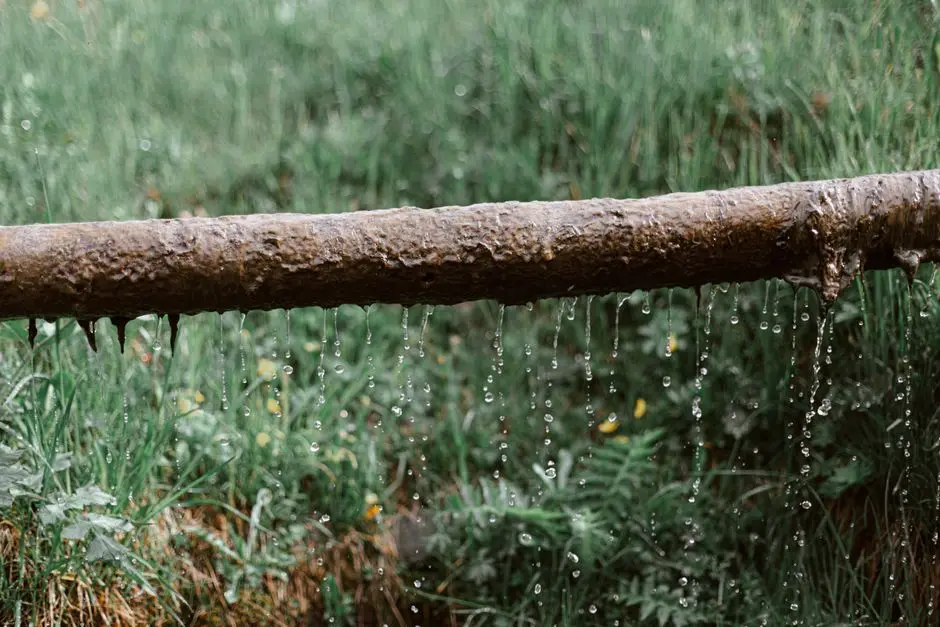
When a pipe bursts in your Boise home, shut off the main water valve immediately, then open the lowest faucets in the house to drain the lines and kill power to any flooded rooms. Those three moves stop the flooding and prevent electrocution before you call for burst pipe water removal. Everything below is the order we actually run through on calls across Ada County, from the first minute to the final moisture reading.
We have pulled soaked carpet out of North End bungalows, shop-vacced water from split-levels in the Bench, and dried out crawl spaces in Meridian after a single 1/2-inch copper line let go overnight. The steps do not change. The timing does.
Shut off the water main first
Shutting off the water main in Boise means locating the main shut-off valve, which is usually where the supply line enters the house - a basement wall, a crawl space access, or a utility closet near the water heater. Turn the handle clockwise until it stops. If it is a gate valve (round wheel), it may take 5-10 full turns. If it is a ball valve (lever), a quarter turn is enough.
Most Boise homes built before 1980 have a gate valve that has not been turned in years. They seize. If yours will not budge, do not force it with a pipe wrench - you will snap the stem and turn a $200 repair into a $2,000 one. Go to the city shut-off at the curb instead. In Boise, that is a round meter box near the sidewalk, usually under a rectangular lid marked "water." You will need a meter key or a long flathead screwdriver to lift the lid and a curb key to turn the valve. Both are worth keeping in the garage.
If you cannot find either valve, call the Boise Public Works water emergency line. They can shut off service at the main. That buys you time, but it does not stop water already inside the walls.
Where Boise shut-offs usually hide
- Basement or crawl space, on the wall facing the street
- Utility closet next to the water heater or furnace
- Under the kitchen sink (kitchen-only shut-off, not the main)
- Outdoor meter box near the sidewalk, under a concrete or composite lid
Tag your main valve with a bright zip tie once you find it. The next person in your house will thank you.
Drain the lines and kill the power
Once the main is off, open every cold-water faucet in the house, starting with the lowest floor. That releases pressure still trapped in the pipes and drains the water sitting above the break. Flush toilets once to empty the tanks. If you have a tankless water heater, shut off the gas or power to it before draining.
Then kill the power. Water and live electrical are the reason we get called at 2 a.m. instead of 8 a.m. If water is anywhere near outlets, baseboards, or a breaker panel, do not walk through it. Go to the main breaker and shut off the whole house. If the panel itself is wet, call an electrician before you touch anything.
If the burst is in a ceiling, poke a small hole in the lowest point of the bulge with a screwdriver and put a bucket under it. A controlled drip is far cheaper than a ceiling collapse. We see this most often in two-story homes in the North End and East End where supply lines run through second-floor joists.
Why pipes burst in Boise homes
Boise pipes burst for three reasons: freezing, pressure spikes, and age. The first one dominates. Boise averages 12-18 nights below 20°F each winter, and the cold snaps in January and February are what break pipes in unheated crawl spaces, garages, and exterior walls.
Water expands about 9% when it freezes. A 1/2-inch copper line can generate over 2,000 psi of internal pressure as it ices up - far more than the 80 psi your home is designed for. The pipe does not always split where the ice forms. It splits downstream, where the pressure has nowhere to go.
Older Boise neighborhoods - the North End, the Bench, Depot Bench, and parts of Garden City - have a lot of galvanized steel and early copper still in service. Galvanized steel corrodes from the inside out. By the time you see a pinhole leak, the wall of the pipe is paper-thin. That is a burst waiting on a cold night.
If your pipes froze but have not burst yet, we handle that separately with Frozen Pipe Water Removal in Idaho - thawing, extraction, and drying in one visit. If the pipe has already let go, you are in the right article.
Start water removal within the first hour
Water removal after a burst pipe in Boise has to start within the first hour to keep the damage category low. After 24-48 hours, water wicks into drywall, baseboards, and subfloor, and mold colonization begins. Once mold is in the picture, the job shifts from drying to demolition.
Here is what you can do before a crew arrives:
- Pull up wet rugs and move furniture off the wet area. Put aluminum foil or plastic under wood legs.
- Use a wet/dry shop vac to pull standing water. Empty it every few gallons - a full vac is useless.
- Blot - do not scrub - carpet with clean white towels. Scrubbing pushes water deeper into the pad.
- Run box fans and a dehumidifier if you have them. Open interior doors to keep air moving.
- Do not run a household HVAC system if the water is anywhere near the air handler. You will spread moisture through the whole house.
What you cannot do yourself is dry the structure. Drywall, subfloor, and framing hold water for weeks after the surface feels dry. A moisture meter tells the real story. We use thermal imaging and pin meters to map the wet zone, then place commercial dehumidifiers and air movers sized to the cubic footage of the affected rooms. A typical Boise burst-pipe job runs 3-5 days of drying with daily monitoring.
If the water has pooled in a basement or crawl space, that is a different scope. We handle it under Basement Water Removal in Idaho and Crawl Space Water Removal in Idaho - same crew, same day, different equipment.
What burst pipe water removal costs in Boise
Typical 2026 pricing for burst pipe water removal in Boise runs $1,200 to $3,500 for a single-room loss, and $4,000 to $9,000 when multiple rooms, a basement, or a crawl space are involved. The number swings on three things: how much water escaped, how long it sat, and what materials got wet.
Here is how the line items usually break down:
- Emergency water extraction: $400-$900 for the first 500 sq ft
- Structural drying (equipment + monitoring): $800-$2,200 for 3-5 days
- Antimicrobial treatment: $150-$400
- Drywall, baseboard, and pad removal: $300-$1,200 depending on square footage
- Plumber repair of the burst section: $250-$800 for a standard copper or PEX repair
We give you a flat price before we start. No surprise line items, no hourly creep. If the scope changes mid-job - and sometimes it does, once we open a wall - we stop and tell you before we keep going.
For a full-service scope that includes extraction, drying, and reconstruction coordination, most Boise homeowners land between $2,500 and $6,000 out of pocket before insurance. If you are in Meridian, Kuna, or Star, add 10-15 minutes of drive time but the pricing is the same.
Does insurance cover a burst pipe in Boise?
Yes - most standard Idaho homeowners policies cover sudden and accidental burst pipe damage, including water extraction, drying, and repair of the structure. What they typically do not cover is the pipe itself, and they will not cover damage from a leak you knew about and ignored.
Three things to do the same day:
- Call your insurer and open a claim. Get the claim number in writing.
- Photograph everything before you move it - the burst section, the wet flooring, the furniture, the water line on the wall.
- Keep every receipt, including the hotel if you have to leave.
We work directly with most major carriers and can bill them directly in many cases. If your adjuster needs documentation, we provide moisture maps, daily drying logs, and photo records. That is standard on every job we run.
Common mistakes to avoid
The most expensive mistake Boise homeowners make after a burst pipe is waiting until morning to call. Water does not pause overnight. A slow drip through a ceiling can soak 200 sq ft of drywall by sunrise.
Other mistakes we see on nearly every call:
- Turning the water back on to "test" the repair. If the repair is not complete, you flood the house a second time. Let the plumber pressure-test it.
- Running the furnace or AC. If the air handler or ductwork is wet, you push moisture into every room.
- Using a household fan and calling it dried. A box fan moves air. It does not remove moisture from framing.
- Throwing out wet carpet and pad before the adjuster sees it. Photograph first, then remove.
- Ignoring the crawl space. Water runs downhill. If the burst was on the main floor, the crawl space is wet.
One more: do not hire a "drying specialist" who shows up without a moisture meter. If they cannot show you a reading, they are guessing.
When to call a professional
Call a professional the moment water has reached drywall, subfloor, or insulation - or if you cannot find the shut-off within five minutes. Those are the two triggers. Everything else you can handle with a shop vac and towels.
Our team handles the full sequence: emergency extraction, structural drying, antimicrobial treatment, and coordination with your plumber and adjuster. We serve Boise and the surrounding Treasure Valley, including Water Removal in Meridian and Water Removal in Nampa, with crews on call 24/7. If you are in Caldwell, Eagle, or Garden City, we can usually be on-site within 60-90 minutes.
If the burst is in a commercial building or a rental, tell us when you call. We handle both, and we can work directly with property managers.
Frequently Asked Questions
What should I do when a pipe bursts in my Boise home?
Shut off the main water valve, open the lowest faucets to drain the lines, and kill power to any flooded rooms. Then call for water removal. Do not turn the water back on until a plumber has repaired and pressure-tested the line.
Who do I call for burst pipe water removal in Boise?
Call a licensed water damage restoration company that handles extraction and drying in-house. ID Water Remover Pros serves Boise and the Treasure Valley 24/7. You will also need a licensed plumber for the pipe repair itself - we can coordinate both.
How much does burst pipe water removal cost in Boise Idaho?
Expect $1,200-$3,500 for a single-room loss and $4,000-$9,000 for multi-room or basement damage in 2026. Most homeowners pay $2,500-$6,000 out of pocket before insurance reimbursement. Flat pricing is standard.
Does insurance cover burst pipe damage in Boise?
Yes, most Idaho homeowners policies cover sudden burst pipe damage, including extraction, drying, and structural repair. The pipe itself is usually excluded. File the claim the same day and photograph everything before moving it.
How do I shut off water main in Boise?
Find the main valve where the supply line enters the house - usually a basement wall, crawl space, or utility closet. Turn clockwise until it stops. If it is seized, use the city curb shut-off in the meter box near the sidewalk.
Get help with Water Removal in Boise
A burst pipe is a timing problem. The faster water comes out and drying starts, the smaller the repair bill. We run 24/7 across Boise and the Treasure Valley with extraction, drying, and moisture monitoring on every job.
Call ID Water Remover Pros at (833) 640-1438 and we will be on our way.