Why does my ceiling leak water after heavy Idaho rain
A ceiling leak after heavy Idaho rain usually means water is entering through your roof, flashing, or attic and traveling along framing before it drips through. Here's what to do.
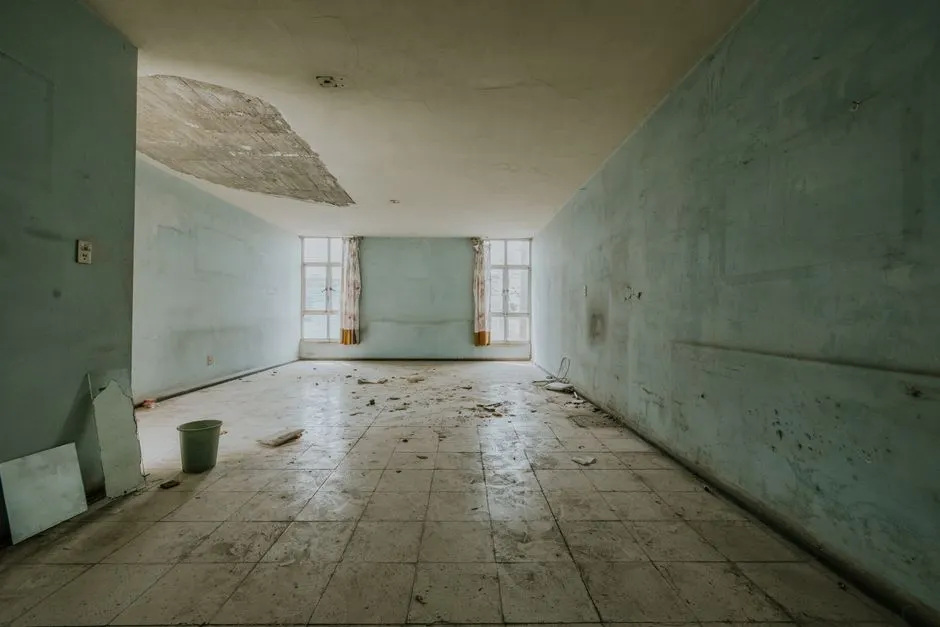
Your ceiling leaks after heavy Idaho rain because water is getting past your roof, flashing, or siding and traveling along framing, insulation, or attic decking until it finds a low point to drip through. The stain on your ceiling is rarely directly under the hole - water can run 10 to 20 feet horizontally before it shows up. Why does my ceiling leak water after heavy Idaho rain is a question we hear every storm season, and the answer almost always comes down to one of six entry points we'll walk through below.
We're ID Water Remover Pros, and we've extracted water from ceilings, attics, and crawl spaces across the Treasure Valley and North Idaho. This post covers what causes the leak, how to trace it, what to do in the first hour, what repairs cost in 2026, and when it's time to call us.
Why does my ceiling leak water after heavy Idaho rain
Idaho ceiling water damage is the result of water infiltrating your roof system and migrating through the structure until it finds a path through your drywall. The leak itself is a symptom - the real problem is almost always above the ceiling, not in it.
Heavy rain in Idaho - especially the atmospheric river events that hit the Panhandle and the intense convective storms that roll through the Treasure Valley in spring and early summer - pushes water against your roof at angles and volumes that light rain never does. Wind-driven rain can force water uphill under shingles, past flashing, and into places that stay dry during a normal drizzle.
Once water is inside the roof assembly, it follows gravity and the path of least resistance. It soaks into insulation, runs along rafters, pools on top of vapor barriers, and eventually saturates a section of drywall enough to drip. That's why you can have a ceiling leak in your living room when the actual roof damage is 15 feet away over the garage.
The most common causes of ceiling leaks after Idaho storms
Roof leak ceiling water in Idaho typically traces back to one of these six failure points. We see them in every age of home, from 1920s bungalows in Boise's North End to new construction in Meridian and Star.
1. Failed or missing flashing
Flashing is the metal or membrane that seals joints around chimneys, vents, skylights, and where roof planes meet walls. When flashing rusts, lifts, or was installed wrong, heavy rain finds the gap. This is the single most common cause we find - and the hardest for homeowners to spot from the ground.
2. Damaged or missing shingles
A few missing shingles after a windstorm can let in enough water to soak a ceiling. Granule loss, curling edges, and cracked tabs all create paths for water. On a 20-year-old asphalt roof in Nampa or Caldwell, you can lose a dozen shingles in one storm and not notice until the ceiling stains.
3. Clogged gutters and downspouts
When gutters fill with pine needles, leaves, and grit, water backs up under the roof edge and wicks into the fascia and soffit. From there it travels into the attic and down to your ceiling. This is the cheapest problem to fix and the most commonly ignored.
4. Ice dams and freeze-thaw cycles
Idaho's freeze-thaw cycles - common from November through March - create ice dams at the eaves. Meltwater pools behind the ice and backs up under shingles. We handle a lot of Idaho frozen pipe water extraction in the same season because the same cold that builds ice dams also bursts supply lines in unheated attics and crawl spaces.
5. Cracked or deteriorated roof penetrations
Plumbing vents, exhaust fans, and chimney caps all have seals that crack with age and UV exposure. A cracked boot around a 2-inch vent pipe can leak a surprising amount of water during a hard rain.
6. Condensation from attic humidity
Not every ceiling leak is a roof leak. Poor attic ventilation traps moisture, which condenses on cold roof decking and drips down. This looks identical to a rain leak but happens even on dry days. If your ceiling only leaks during or right after rain, it's almost certainly an exterior entry point.
How to find the source of a ceiling leak
Finding the source of a ceiling leak after rain in Idaho means working backward from the stain to the roof, not guessing. Here's the process we use on every call.
- Go into the attic during or right after rain. Bring a flashlight. Look for wet decking, dark streaks on rafters, or dripping from a specific point. The drip in the attic is almost always uphill from the ceiling stain.
- Trace the water path. Follow the wet streak along the wood. Water leaves a trail - dark staining, soft wood, or mineral deposits.
- Check the roof from above if it's safe. Look at flashing, boots, shingle edges, and valleys. Don't walk a wet roof. Use binoculars from the ground if you're not comfortable.
- Test with a hose. On a dry day, have someone spray water at one section of roof at a time while you watch in the attic. This isolates the entry point in 15 to 30 minutes.
If you can't safely get into the attic or onto the roof, don't force it. A wet roof and a dark attic are two of the most common places homeowners get hurt. That's when you call us.
What to do when your ceiling leaks after rain in Idaho
When your ceiling leaks after rain in Idaho, the first hour matters more than the next three days. Water spreads fast through drywall, insulation, and framing. Here's what to do right now.
- Move furniture and electronics out of the way. If you can't move something, cover it with plastic.
- Contain the drip. Use buckets, bins, or a cooler. Put a towel under the bucket to catch splash.
- Puncture the bulge if water is pooling. If the ceiling is bulging with trapped water, a small hole at the lowest point of the bulge lets it drain in a controlled way instead of collapsing. Put a bucket under it first.
- Kill the power to affected rooms if water is near fixtures or wiring. Don't touch a wet ceiling with a light fixture in it. Call an electrician if you're unsure.
- Document everything. Photos and video of the stain, the drip, the attic, and any damaged belongings. Your insurance adjuster will want them.
- Call for water removal. Standing water and saturated drywall start growing mold in 24 to 48 hours. The faster water is extracted and the structure is dried, the less you replace.
If the leak is coming from a failed sump pump during a storm, that's a different problem with a different fix. We handle sump pump overflow water removal for homeowners across the valley - same-day in most cases.
How much does ceiling water damage repair cost in Idaho
Typical 2026 pricing for ceiling water damage repair in Idaho runs $450 to $1,800 for minor leaks and $2,500 to $7,500 when drywall, insulation, and framing need replacement. The range is wide because the visible damage is almost never the full story.
Here's how the costs break down:
- Water extraction and drying: $300 to $900 for a single room, including equipment and monitoring.
- Drywall repair and repaint: $250 to $800 per ceiling section, depending on size and texture.
- Insulation replacement: $1.50 to $3.50 per square foot for blown-in or batt.
- Roof repair: $350 to $1,500 for flashing, shingles, or a small section of decking.
- Mold remediation (if caught late): $1,200 to $4,000 depending on scope.
The biggest cost driver is how fast you act. A leak caught in the first 24 hours is usually a $500 to $1,200 problem. A leak ignored for a week is a $3,000 to $8,000 problem because mold and rot have set in.
Does insurance cover ceiling leaks in Idaho
Most Idaho homeowner policies cover sudden and accidental ceiling leaks - like a storm tearing off shingles or a branch punching a hole - but not leaks caused by deferred maintenance. If your roof was 25 years old and you hadn't repaired known damage, the claim will likely be denied or reduced.
What's typically covered:
- Wind-driven rain damage from a storm event
- Water damage from a burst pipe or failed appliance
- Sudden roof damage from falling trees or debris
What's typically not covered:
- Gradual leaks from an aging roof
- Poor maintenance or neglected flashing
- Mold that developed over weeks or months
Document the damage the day it happens. Call your insurer before you start repairs. And get a written scope from whoever does the work - adjusters want to see line items, not a lump sum.
Common mistakes to avoid
The mistakes we see most often after a ceiling leak turn a $600 repair into a $6,000 restoration. Here's what not to do.
- Don't paint over the stain. Stain-blocking primer hides the evidence but not the moisture. The leak will come back, and now you've lost the visual cue.
- Don't ignore a small stain. A quarter-sized stain today is a two-foot section of saturated drywall in a week.
- Don't run a household fan and call it dried. Air movement doesn't pull moisture out of framing or insulation. You need dehumidifiers and air movers sized to the space.
- Don't skip the attic. If you only fix the ceiling, you've left the wet insulation and framing to grow mold.
- Don't wait for the rain to stop. Water keeps moving through the structure even after the storm passes. Extraction and drying should start the same day.
If you've got standing water in the attic, between joists, or pooled on a vapor barrier, that's a job for remove standing water Idaho equipment - truck-mounted extractors and commercial dehumidifiers, not shop vacs.
When to call a professional
Call a professional when the leak is more than a slow drip, when you can't find the source, when the ceiling is bulging or sagging, or when the affected area is larger than a few square feet. Those are the cases where DIY drying fails and mold takes hold.
We handle ceiling water removal across the Treasure Valley and North Idaho. Our team extracts standing water, sets drying equipment, and monitors moisture until the structure is back to baseline. If the leak is coming from a failed roof, we coordinate with roofers so the repair and the drying happen in the right order.
If you're in the Boise area, we also serve homeowners with water damage cleanup Boise Idaho - same-day response for active leaks. And for the broader region, our Water Removal in Idaho team covers everything from emergency extraction to full structural drying.
Frequently Asked Questions
Why does my ceiling leak water after heavy Idaho rain?
Water is getting past your roof, flashing, or siding and traveling along framing until it drips through the ceiling. The most common causes are failed flashing, damaged shingles, clogged gutters, and ice dams. The stain is rarely directly under the entry point.
Who do I call for ceiling water removal in Idaho?
Call a licensed water removal company that handles extraction, drying, and moisture monitoring. ID Water Remover Pros serves the Treasure Valley and North Idaho with same-day response. We extract the water, dry the structure, and document everything for your insurance claim.
How much does ceiling water damage repair cost in Idaho?
In 2026, minor ceiling leaks run $450 to $1,800. Moderate damage with drywall and insulation replacement runs $2,500 to $7,500. Cost depends on how fast you act - leaks caught in 24 hours are far cheaper than leaks ignored for a week.
Does insurance cover ceiling leaks in Idaho?
Most policies cover sudden, accidental damage from storms or burst pipes. They typically don't cover gradual leaks from deferred maintenance or an aging roof. Document the damage immediately and call your insurer before starting repairs.
How do I stop my ceiling from leaking in Idaho?
You stop it by fixing the source, not the ceiling. That means repairing flashing, replacing damaged shingles, clearing gutters, or addressing ice dams. Once the entry point is sealed, extract any trapped water and dry the structure completely to prevent mold.
Get help with Water Removal in Idaho
A ceiling leak after heavy Idaho rain won't fix itself, and every hour you wait lets water spread deeper into your framing and insulation. We extract the water, dry the structure, and help you document the damage for insurance.
Call ID Water Remover Pros at (833) 640-1438 for same-day ceiling water removal across Idaho.